'%3e%3cpath%20id='Vector'%20d='M0.775%206.60234L3.375%204.00234L0.775%201.40234'%20stroke='%23F2F2F2'%20stroke-linecap='round'%20stroke-linejoin='round'/%3e%3c/g%3e%3cdefs%3e%3cclipPath%20id='clip0_13602_6886'%3e%3crect%20width='4'%20height='6.4'%20fill='white'%20transform='matrix(-1%200%200%201%204.07812%200.800781)'/%3e%3c/clipPath%3e%3c/defs%3e%3c/svg%3e)
 10,588
You might already know that China dominates the global supply chain, producing over 60% of the world’s kitchenware.But finding a reliable factory among thousands of trading companies on Alibaba?
That is the real challenge.
Sourcing the wrong partner can destroy your brand with poor quality, missed deadlines, and compliance failures.
In this post, I’ve cut through the noise to bring you a curated list of China's Top 5 Kitchenware Manufacturers.
We aren't just looking at the traditional stainless steel giants of the past. We are looking at the future: sustainable, eco-friendly, and compliant production.
Whether you need high-volume cookware or the latest in biodegradable innovation from leaders like Artfullife®, this guide covers the elite tier of the industry.
Let’s dive straight into the list.
Real Talk: Vetting Your Chinese Kitchenware Supplier
Let’s be honest—finding a factory on Alibaba is easy. Finding a partner who delivers consistent quality without ghosting you? That is the real challenge. When I scout for an OEM kitchenware supplier in China, I look past the glossy product photos and dig into their operational reality. You aren't just buying pots and pans; you are buying their supply chain, their quality control, and their integrity. If a manufacturer cannot transparently explain their production process, walk away.
Compliance & Safety Checks (FDA, LFGB, REACH)
Safety is the single biggest deal-breaker in this industry. If you are importing into the US or Europe, "good enough" doesn't cut it. I never sign a contract until I have verified specific certifications. A legitimate factory must prove its materials are food-safe and non-toxic.
Here is my non-negotiable checklist for FDA-approved kitchenware from China:
FDA Compliance: Essential for the US market. It ensures materials like stainless steel and plastics do not leach harmful chemicals.
LFGB Certification: This is the German standard, which is tougher than the FDA. If a supplier has LFGB-certified silicone products, their quality is usually top-tier.
REACH Regulation: Crucial for the EU, ensuring no hazardous substances like lead or cadmium are present in coatings.
Deciding Between OEM and ODM Production
Are you reinventing the wheel, or do you just want your logo on a proven product? Understanding this distinction saves months of development time.
OEM (Original Equipment Manufacturer): You provide the specs, blueprints, and tooling fees. They build your design. This is ideal for custom kitchen gadget manufacturing where you own the IP.
ODM (Original Design Manufacturer): You pick from their existing catalog and tweak the branding. This is faster and cheaper for launching private-label cookware.
Feature OEM (Your Design) ODM (Factory Design)
Design Ownership : You own the IP Factory owns the IP
Setup Cost High (Molds & Tooling) Low (Branding only)
Time to Market Slow (6-12 months) Fast (1-3 months)
Flexibility 100% Customization Limited to colors/logos
Material Expertise: Metal vs. Eco-Friendly Options
A top-tier manufacturer doesn't just mold plastic; they understand material science. When I source high-end cookware, I demand specific grades. For stainless steel, we strictly look for SUS304 (Food Grade) or SUS316 (Medical Grade). Cheaper factories will try to swap this for 201 steel, which rusts.
On the flip side, the market is shifting. We are seeing a massive surge in sustainable kitchen products wholesale.
Metals: Look for Tri-ply construction (Stainless-Aluminum-Stainless) for durability.
Eco-Materials: Wheat straw, bamboo fiber, and PLA are trending. However, always verify if they are truly biodegradable or just plastic mixed with plant dust.
If a supplier cannot clearly explain the difference between a 3-ply impact bond and a brazed bottom, they aren't the experts you need.
The Big 5: China's Top Kitchenware Manufacturers
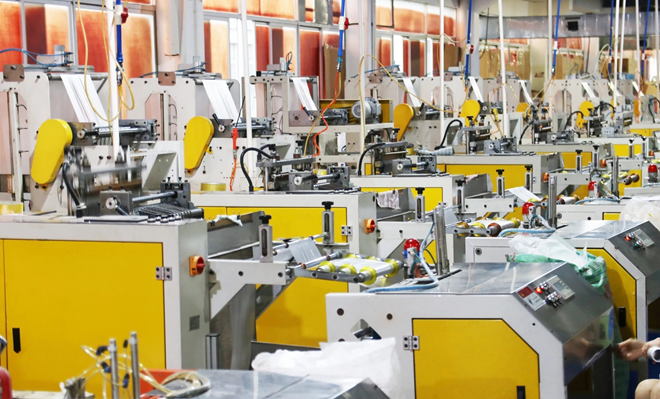
When you are scouting for China's Top Five Kitchenware Manufacturers, you aren't just looking for a factory; you are looking for a partner who understands the balance between cost, quality, and compliance. The market is massive, but the real players are concentrated in specific industrial hubs like Guangdong and Zhejiang.
Here is the breakdown of the industry leaders, starting with our own specialized approach to sustainable manufacturing.
1.Artfullife®: Pioneer in Eco-Innovation
First, let us introduce Artfullife®'s core strengths. We position ourselves as China's premier OEM supplier for high-end innovative kitchenware. Based in Foshan—the hub of China's eco-friendly daily goods industry—we specialize in seamlessly integrating durability with eco-conscious engineering design.
We are not merely supermarket suppliers but solution creators. Our signature products feature a triple-layer composite stainless steel structure with advanced honeycomb non-stick technology. Laser-etched coatings protect the non-stick surface, granting scratch resistance and enabling safe use with metal utensils.
Core Competitive Edge: Premium Stainless Steel (Grade 304/316) & Honeycomb Non-Stick Composite Technology
Sustainability: Committed to biodegradable, recyclable, and reusable principles, we craft products built to last rather than disposable items. Our coatings are PFOA-free, ensuring safe and healthy cooking.
Ideal For: Brands seeking sustainable kitchenware wholesale and premium private-label kitchen products to stand out in the U.S. market.
2. Zhejiang Supor Co., Ltd.: The Appliance Giant
If you have looked into the Asian market, you have heard of Supor. They are massive. While they manufacture standard cookware, their real strength lies in small kitchen appliances and pressure cookers. They operate on a massive scale, making them a go-to for buyers needing enormous volume across diverse categories, from electric rice cookers to woks.
Key Strength: Massive production capacity and brand recognition in the appliance sector.
Product Focus: Pressure cookers, electrical appliances, and aluminum cookware.
3. ASD: Non-stick and Hard-anodized Cookware
ASD is another heavyweight, particularly known for being one of the largest manufacturers of non-stick cookware in China. They dominate the domestic market and have a significant export footprint. If you are looking for standard aluminum non-stick pans or hard-anodized options at a very competitive price point, ASD is often part of the conversation.
Key Strength: Cost-effective mass production of coated aluminum cookware.
Product Focus: Teflon-coated pans and hard-anodized pots.
4. Guangdong Linkfair Group: The Stainless Steel Specialist
Linkfair is a major player located in the same province as us. They are a stainless steel cookware factory that Guangdong is famous for. They have a strong reputation in the export market, supplying many large Western retail chains. Their catalog is extensive, covering everything from kettles to cutlery and multi-ply cookware.
Key Strength: extensive export experience and a broad catalog of stainless steel items.
Product Focus: Mid-to-high-end stainless steel sets and kitchen tools.
5. Yangjiang Shibazi Group: The Cutlery King
You cannot talk about kitchenware without mentioning knives, and that is where Shibazi rules. Located in Yangjiang (the knife capital of China), they are the authority on cutlery. While other manufacturers might offer knives as a side category, Shibazi specializes almost exclusively in blades.
Key Strength: Traditional craftsmanship combined with modern steel processing for cutlery.
Product Focus: Kitchen knives, scissors, and professional cutlery sets.
The Green Revolution in Kitchenware Sourcing
Why Sustainability is No Longer Optional
Let’s be real—sourcing cheap, disposable junk doesn't fly in the US market anymore. Today's consumer checks the label for more than just the price tag; they want to know the environmental impact. If you are looking for sustainable kitchen products wholesale, you aren't just chasing a trend; you are meeting a baseline requirement. Retailers from California to New York are demanding transparency. They want recyclable kitchen accessories and products that don't end up in a landfill after six months. At Artfullife®, we understood early on that "Eco" isn't just part of our name; it’s the future of manufacturing.
Material Deep Dive: Biodegradable vs. Plastic
When we talk about materials, the divide is clear. Traditional plastics are out—they leach chemicals and sit in oceans forever. While there is a massive surge in biodegradable tableware manufacturers for disposable items, the logic changes when we talk about cookware.
Plastic: High waste, potential toxicity (BPA/PFOA), and low perceived value.
Biodegradable: Excellent for single-use items, but not designed for the heat of a professional kitchen.
The Artfullife® Standard: We focus on reusable 304 and 316 stainless steel. It is 100% recyclable, non-toxic, and built to last decades.
True sustainability in the kitchen isn't just about being biodegradable; it's about stopping the cycle of "buy and toss." Our honeycomb non-stick technology ensures pans don't peel and degrade like standard coatings, making them a truly eco-friendly choice for the long haul.
Cost vs. Value: Profit Margins in Green Products
There is a misconception that going green kills your margins. The opposite is true. US consumers are willing to pay a premium for FDA-approved kitchenware from China that guarantees safety and sustainability. While the upfront manufacturing cost for high-end, reusable tri-ply stainless steel is higher than that of cheap aluminum, the retail markup is significantly better. You aren't selling a commodity; you are selling a lifestyle change. By sourcing durable, recyclable products, you build brand loyalty and justify a higher price point, ultimately securing better long-term profits than flipping cheap, disposable volume.
Navigating Logistics, MOQs, and QC
Sourcing from China's Top Five Kitchenware Manufacturers involves more than just picking a product from a catalog; you have to master the logistics game. When I work with clients sourcing high-end cookware, the conversation always shifts quickly from "how does it look?" to "how do we get it here safely and profitably?"
Understanding Minimum Order Quantity (MOQ)
Let's be real about MOQs. Every OEM kitchenware supplier in China has setup costs. If you want a custom mold or a specific Pantone color for your handle, the factory has to stop the line to retool. That costs money.
Standard Products: Usually have lower MOQs (500–1,000 units) because the tooling is already done.
Custom/Private Label: Expect MOQs of 2,000 to 5,000+ units.
Negotiation Tip: I always suggest offering a tiered pricing structure. Pay a slightly higher unit price for a lower trial order to test the US market before committing to a full container.
Quality Control (QC) and Third-Party Inspections
Never ship without a check. Even with a trusted partner like Artfullife®, standardizing your QC process is vital for brand consistency. For high-end cookware sourcing, I recommend a rigorous inspection protocol before the goods leave the factory floor.
Visual Inspection: Checking for scratches, dents, or uneven polishing.
Functional Testing: Handle strength tests, coating adhesion tests (cross-hatch), and lid fit.
Packaging Checks: Drop tests to ensure your eco-friendly food storage containers or cookware sets survive the journey across the Pacific.
Mapping Industrial Clusters (Zhejiang, Guangdong)
Knowing where to look saves you time. Kitchenware manufacturing clusters in China are highly specialized. If you are looking for specific materials, go to the source:
Guangdong: This is the heart of premium manufacturing. It is where you find a stainless steel cookware factory in Guangdong producing tri-ply and commercial-grade pots. This is our home turf at Artfullife®, focusing on durability and high-quality finishes.
Zhejiang (Yongkang & Ningbo): Known as the hardware capital. This region is massive for aluminum die-casting, non-stick pans, and small kitchen appliances. It is generally better for mid-range, high-volume items.
Frequently Asked Questions About Sourcing Kitchenware
What is the best region in China for cookware manufacturing?
Location matters when you are hunting for kitchenware manufacturing clusters. If your focus is on high-end stainless steel cookware, Guangdong Province is the undisputed leader. Specifically, the city of Jiangmen is the industrial hub for premium metal fabrication. This is where we operate, utilizing the region's mature supply chain to produce tri-ply and honeycomb non-stick pans. For small electric appliances, you might look towards Zhejiang, but for durable pots, pans, and cutlery, a stainless steel factory in Guangdong is your best bet for quality consistency.
How do I verify a supplier's sustainability certificates?
Greenwashing is real, so you need to validate claims. Whether you are sourcing biodegradable tableware or stainless steel, always request the full test reports, not just a certificate cover page.
Check the Standard: For the US market, ensure the product is FDA approved. If you are selling globally, look for LFGB-certified reports, which are stricter European standards often applied to silicone and coatings.
Verify the Issuer: Legitimate reports come from recognized third-party labs like SGS, TUV, or Intertek.
Material Safety: At Artfullife®, we ensure our non-stick coatings are PFOA-free, and our steel grades (304/316) meet international food safety regulations.
Can I get low MOQs for custom kitchen designs?
This depends on the level of customization. For fully custom kitchen gadget manufacturing that requires new molds, the Minimum Order Quantity (MOQ) is usually higher to cover tooling costs. However, for private label cookware—where you take our existing, high-performance designs (like our honeycomb series) and add your logo—we can often offer more flexible terms. Sourcing high-end cookware usually allows for lower volumes compared to cheap, mass-market items because the unit value is higher.
What is the difference between OEM and ODM kitchenware?
Understanding this distinction saves time during negotiations.
OEM (Original Equipment Manufacturer): You provide the technical drawings and specs. We act as the OEM kitchenware supplier to manufacture your unique design from scratch. This is best for brands with a specific proprietary product in mind.
ODM (Original Design Manufacturer): You choose from our catalog of pre-engineered, market-tested products. You leverage our R&D—like our advanced tri-ply construction—and sell it under your brand. This is the fastest route to market for sustainable kitchen products wholesale.