'%3e%3cpath%20id='Vector'%20d='M0.775%206.60234L3.375%204.00234L0.775%201.40234'%20stroke='%23F2F2F2'%20stroke-linecap='round'%20stroke-linejoin='round'/%3e%3c/g%3e%3cdefs%3e%3cclipPath%20id='clip0_13602_6886'%3e%3crect%20width='4'%20height='6.4'%20fill='white'%20transform='matrix(-1%200%200%201%204.07812%200.800781)'/%3e%3c/clipPath%3e%3c/defs%3e%3c/svg%3e)
 10,080
Short answer: ChinaTexNet.com is an English-language directory and inquiry platform for Chinese textile, apparel and related suppliers. It is useful for discovering companies and sending inquiries, but it is not a modern retail marketplace with standardized checkout, buyer protection and global logistics. Buyers should verify listing freshness, supplier identity, specifications, samples, payment and export arrangements independently.
 ChinaTexNet can generate supplier leads; a technical specification and verified sample turn a lead into a controllable purchase.
Key takeaways
- The official English website is www.chinatexnet.com; do not confuse it with Chinatex Corporation at chinatex.com.
- ChinaTexNet mainly publishes supplier/product profiles and inquiry forms—not standardized platform inventory or guaranteed transactions.
- No official current iOS or Android ChinaTexNet app was verified; use the mobile website and avoid unofficial APK claims.
- Independent user reviews are extremely limited and automated safety scanners disagree, so judge the supplier and transaction, not a score.
- Freeze composition, construction, GSM, usable width, color, finish, shrinkage, performance and packaging before ordering.
1. What is ChinaTexNet.com?
ChinaTexNet is a specialist English textile supplier directory. Its public pages organize Chinese company profiles and product listings, allowing overseas visitors to review contact information, product descriptions and commercial details and then send an inquiry. Search results show the domain has operated for more than two decades, but domain age alone does not verify individual sellers or current stock.
The platform resembles an older-generation B2B lead portal more than a centralized marketplace. A typical product page identifies the supplier, address, contact person, product features, MOQ, payment terms, port, capacity or delivery information, then invites the buyer to contact the company. Those fields are supplier-provided; their presence is not proof that the information is current, audited or contractually guaranteed.
ChinaTexNet must not be confused with Chinatex Corporation, a separate state-linked textile business using `chinatex.com`. Similar names do not imply ownership, payment protection or a commercial relationship.
2. What products are listed?
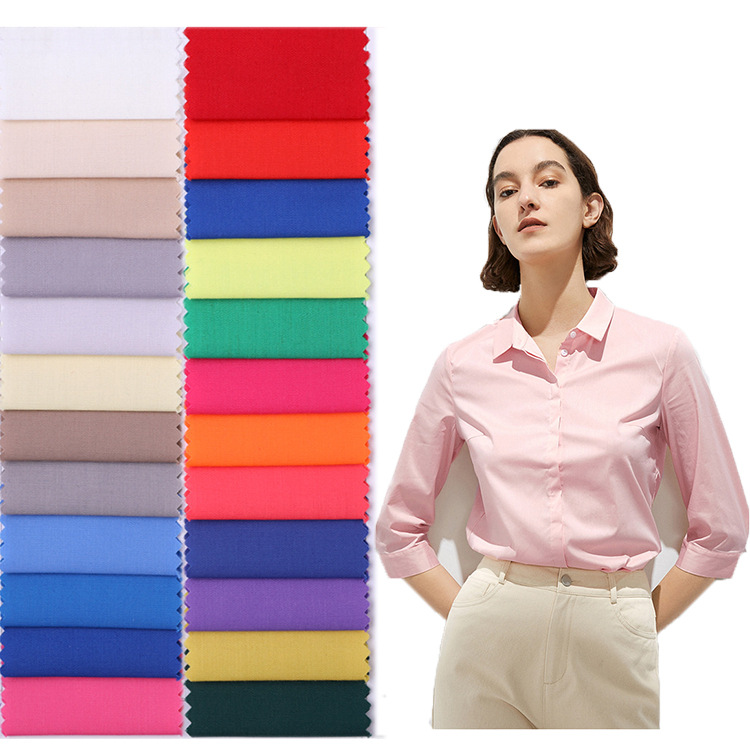
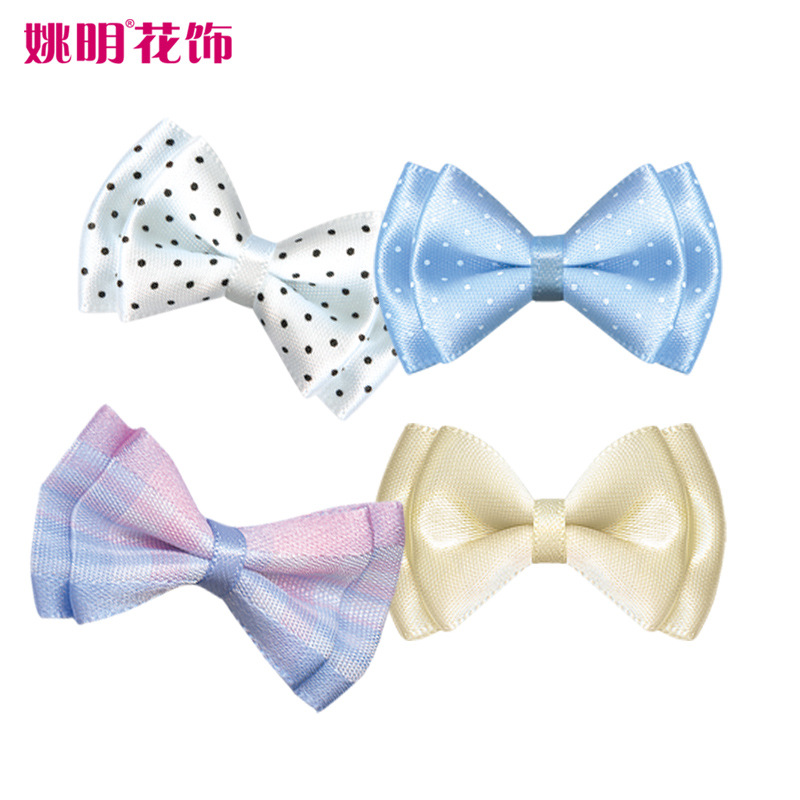
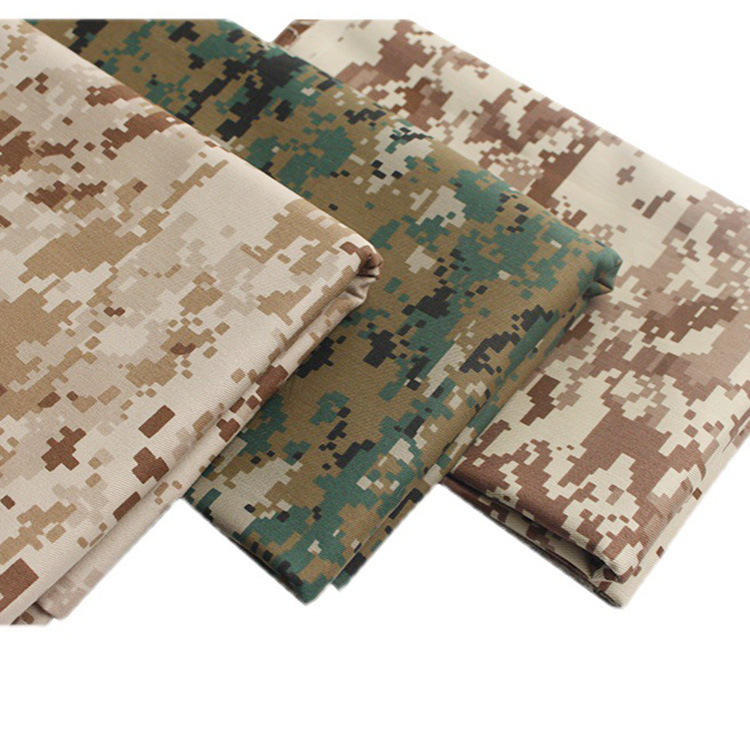
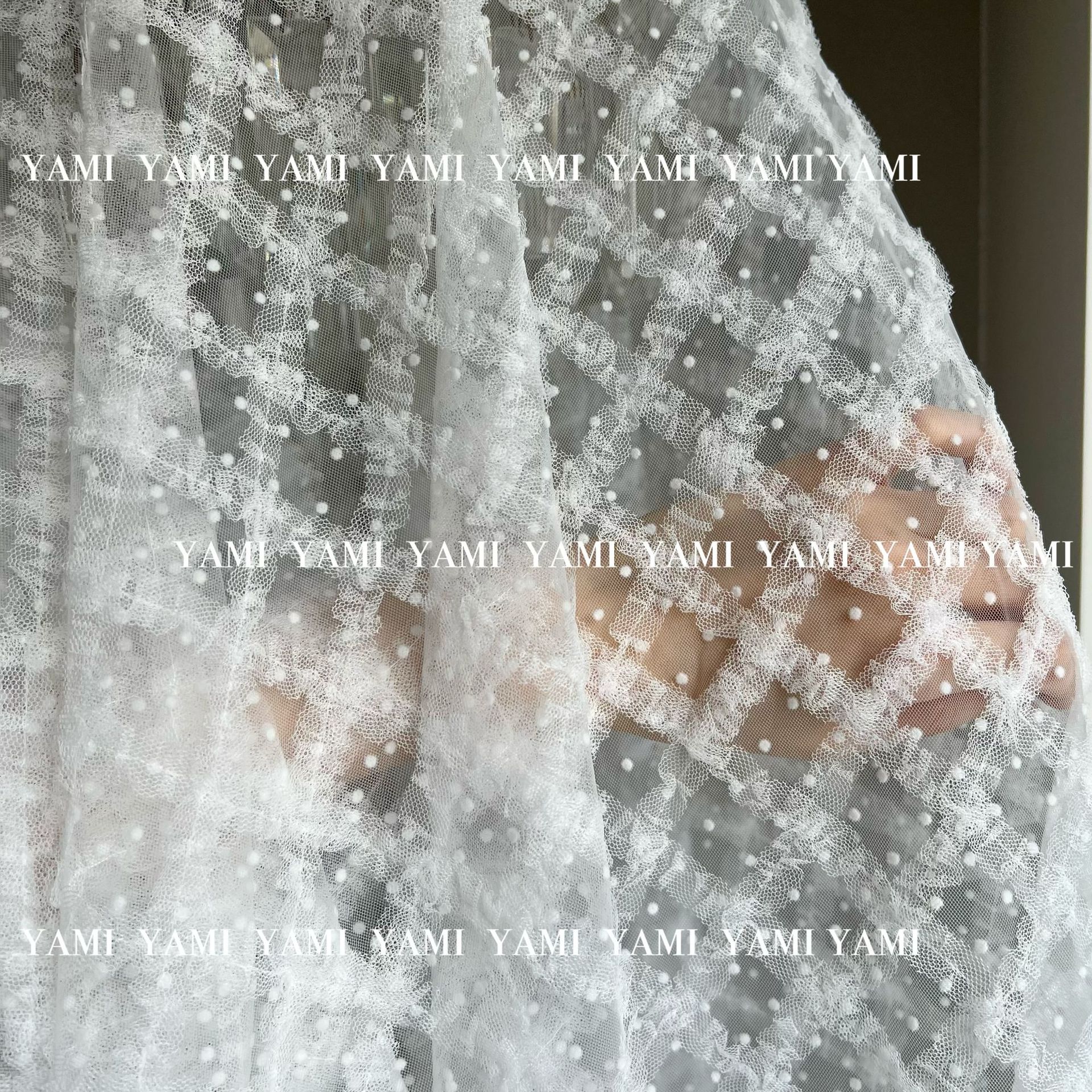
The directory covers fabrics, yarns, garments, home textiles, accessories and some machinery. Accessible listings include woven and knitted fabrics, cotton/polyester materials, lace and embroidery, curtains, bedding, towels, scarves, shirts, children's products, uniforms, nonwovens, garment trims and textile/packaging machinery. The breadth is useful for discovery but increases the need for category-specific verification.
| Category | Specification required | Typical risk |
|---|---|---|
| Fabric | Fiber %, construction, GSM, usable width, stretch, finish, color | Composition/weight substitution and shade variation |
| Yarn | Fiber, count, twist, strength, evenness, package | Mixed lots and performance variation |
| Garments/home textiles | Size chart, workmanship, trims, filling, labeling, packing | Fit, shrinkage, seam and labeling failures |
| Accessories/machinery | Material, compatibility, capacity, voltage, spares, warranty | Mismatch and weak after-sales support |
3. ChinaTexNet advantages and disadvantages
Its strength is niche supplier discovery; its weakness is limited transaction infrastructure.
| Area | Advantage | Limitation | Control |
|---|---|---|---|
| Focus | Textile-specific suppliers and terminology | Listing depth and freshness vary | Request current evidence and samples |
| English | Public pages and inquiry fields are in English | Supplier English ability varies | Use a bilingual specification |
| Commercial data | Some pages show MOQ, ports, payment and capacity | Data may be old or self-declared | Obtain a dated quotation |
| Transaction | Direct contact can support negotiation | No verified universal escrow, protection or logistics | Contract, inspect and pay traceably |
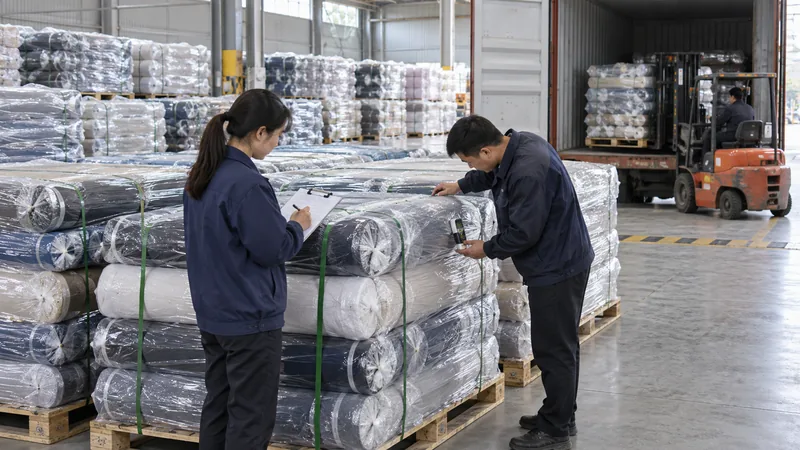 A comparable quote requires the same composition, construction, GSM, usable width, color and finish.
4. Real reviews and safety signals
There is not enough independent verified-purchase feedback to calculate a meaningful buyer rating. A Reddit question produced only limited discussion; one commenter described the site as difficult to use and noted the absence of Alibaba-style buyer protection and logistics. That is one opinion, not a representative sample.
Automated domain checkers conflict. One points to domain longevity, valid HTTPS and no obvious DNS warning; another gives a low algorithmic trust score. These tools evaluate technical/domain signals, not fabric quality, supplier legitimacy or order outcomes. Their disagreement reinforces the correct method: verify the exact counterparty and transaction.
The website contains many supplier pages indexed for years, and some contact details or claims may no longer be current. Send an inquiry, then verify the response through the company's current official domain, Chinese business registration, corporate bank account and live facility evidence. Never pay solely because an old profile appears in search.
5. ChinaTexNet website and app download
No official current ChinaTexNet iOS or Android app was verified in Apple App Store, Google Play or the public website during research. Use the official HTTPS website in a mobile browser. Do not install an APK advertised by a third-party download page unless ChinaTexNet itself identifies the publisher and official package.
This is commercially important: an unofficial app can capture login credentials, inquiries or payment data. If an app later appears, verify the developer name, link from the official domain, update history, privacy disclosure and package identity before installation. “China textile” is generic wording and may refer to unrelated companies or apps.
6. How to register and send an inquiry
Registration supports directory use, while an inquiry begins the commercial process. Use “Join Now” on the official site, provide accurate company/contact information and protect the account with a unique password. The public inquiry form may request name, company, address, email, telephone, mobile and messaging contacts.
A professional inquiry should state product, end use, fiber composition, construction, target GSM and tolerance, usable width, color/Pantone or lab-dip process, finish, performance tests, quantity, packaging, destination port and required delivery date. Ask for MOQ by stock color, custom dye and custom print. Attach a specification—not only a reference photo.
Write an inquiry that produces a comparable quotation
Do not send “Please quote your best price” to twenty suppliers. That usually produces twenty prices for different products. Use a short request-for-quotation sheet with a product code and revision date. Ask the supplier to complete the same fields: exact construction, quoted width and GSM tolerances, unit price and price basis, MOQ per color, sample charge, lab-dip time, bulk lead time, monthly capacity, packing method, payment terms, Incoterm and quotation validity. State whether quantity is in linear meters, kilograms, pieces or sets.
Request three commercial scenarios when useful: available stock, made-to-order standard color and custom color/print. A stock offer can reduce MOQ and lead time but may involve limited continuity or mixed lots. Custom production offers better repeatability but can require dye-lot minimums, cylinder or screen charges and a longer approval cycle. Ask the seller to identify every non-refundable setup charge before sampling.
A useful reply should contain numbers and evidence, not only adjectives. “High quality,” “export standard” and “eco-friendly” are not specifications. If the answer omits important fields, return the sheet for completion before comparing price. Good pre-order communication is also an operational test: a supplier that cannot accurately repeat the requirement before receiving money is unlikely to control it during production.
7. How to verify a ChinaTexNet supplier
Verify identity, capability and product evidence separately. Request the Chinese business license and match its legal name to the quotation, contract, invoice and payment beneficiary. Confirm whether the company is a mill, converter, garment factory, trading company or agent. A trader can be appropriate for mixed fabrics; it should not be misrepresented as the manufacturer.
Use a live video call to see the office, warehouse or production line and the actual sample/lot. Ask which processes are in-house—spinning, weaving/knitting, dyeing, printing, finishing or garment assembly—and which are subcontracted. For claims such as organic, recycled, flame-resistant, antibacterial or waterproof, verify current certificates/test reports tied to the exact material and certification scope.
Red flags include a personal bank account, recently changed beneficiary, copied certificate with a different company or product, refusal to send a paid sample, price far below comparable construction, unlimited capacity, and inability to explain fabric parameters. Pause the order when evidence conflicts.
Factory, converter or trading company?
A factory is not automatically the best choice, and a trader is not automatically a problem. A weaving or knitting mill may control greige fabric but outsource dyeing and finishing. A converter may source greige goods and specialize in coloration, printing and finish development. A trading company can consolidate small quantities across several categories. The correct question is which entity controls the process that determines your product's risk.
Verify the answer by asking for a process flow, equipment list, production address, recent anonymized inspection or test evidence and a live walk-through that follows one order from incoming material to packing. Compare the factory name on certificates with the production site and scope. When subcontracting is involved, place approval and traceability obligations in the purchase order instead of relying on a verbal promise.
Score shortlisted suppliers on five dimensions: identity and financial consistency; technical understanding; sample conformity; production/quality system; and commercial responsiveness. Price should be evaluated only after the first four are acceptable. For a meaningful order, a third-party factory audit can confirm legal identity, location, capacity, core processes and basic quality controls, but it still does not guarantee that the next lot will meet specification.
8. Complete buying process
- Define the end use. Garments, upholstery, bedding and protective textiles need different performance and compliance.
- Issue one specification. Give every supplier identical measurable requirements.
- Compare dated quotations. Include price unit, MOQ, surcharges, sample, lead time, packaging, Incoterm and validity.
- Approve lab dips/strike-offs. Record the selected color/print and viewing conditions.
- Test a representative sample. Confirm composition, GSM, width, shrinkage, colorfastness and performance needed for the market.
- Place a written purchase order. State tolerances, inspection, defect/remedy rules and shipping marks.
- Monitor production. Approve bulk color before the full run where possible.
- Inspect before shipment. Check rolls/lots against the approved standard and test reports.
- Pay and ship according to agreed milestones. Independently verify bank changes.
Move from sample to bulk without changing the standard
A sample is useful only when everyone can identify what it represents. Mark and seal the approved cutting with supplier name, buyer item number, composition, construction, color, finish, approval date and signatures or digital approval reference. State whether it is a hand-feel/color reference or a fully tested production standard. A small laboratory sample may not predict bulk shade, shrinkage or finishing behavior, so require a pre-production or first-bulk approval for higher-risk orders.
Define an escalation path before production. If bulk GSM, width, color or performance falls outside tolerance, the supplier should stop, segregate the affected lot, report the quantity and propose corrective action. The contract should state whether the remedy is rework, replacement, price adjustment or rejection, and who pays inspection, storage and freight. Avoid vague clauses such as “quality must be good.”
Payment and document controls
Pay the legal contracting entity through a traceable corporate account. Independently reconfirm beneficiary details using a previously verified channel whenever instructions change; compromised email accounts are a known trade risk. For new suppliers, structure payment around real milestones—sample approval, confirmed production, passed inspection and shipment documents—according to order size and bargaining position. Do not misinterpret a bank transfer receipt as buyer protection.
9. Textile quality control
Quality control should compare bulk material with an approved standard and written tolerances. Check roll count, length, usable width, GSM, shade, hand feel, defects, bow/skew and packaging. Use a recognized fabric inspection system when appropriate, but define how points affect acceptance before production.
Laboratory testing may include fiber composition, dimensional change after washing, colorfastness to washing/rubbing/light/perspiration, pilling, tensile/tear/burst strength, abrasion, formaldehyde, pH and restricted substances. The correct tests depend on material, end use and destination law. A warehouse visual check cannot replace a laboratory.
Maintain lot traceability. Do not combine different dye lots without buyer approval. Keep sealed reference swatches, lab reports, inspection photos and roll maps. If fabric will become garments, perform a pilot cutting/sewing/wash test before accepting a full production volume.
Inspection levels, defects and shade control
For woven and knitted fabric, buyers often use a four-point inspection method, but the name alone is insufficient. The purchase specification should define the inspection quantity, penalty points, maximum points per 100 square yards or other agreed unit, treatment of continuous defects, usable-width rule and acceptance threshold. Critical defects—wrong composition, contamination, holes, severe shade bands or prohibited substances—may require separate zero-tolerance rules regardless of the point score.
Shade should be checked under agreed lighting against the approved standard and across the beginning, middle and end of rolls. Create a shade band or continuity card when garments will be cut from several rolls. Record each roll's actual length, width, defect score and shade group. This lets the cutting room group compatible rolls and prevents a visually acceptable shipment from producing mismatched garment panels.
Use an accredited laboratory when a result affects legal compliance, retailer requirements or a safety claim. Confirm the test method, conditioning, sampling and pass/fail limit before testing. Supplier reports can support screening, but independent tests selected from the actual production lot provide stronger evidence. Maintain a counter-sample in sealed storage in case a dispute occurs after arrival.
 Choose tests from the end use and destination requirements; a generic “quality certificate” is not sufficient.
10. Import process, freight and landed cost
Classify and cost the fabric before production. Textile HS classification depends on fiber, construction, weight, finish and sometimes use; visually similar fabrics can have different duties or controls. Confirm classification, labeling, origin, chemical and product rules with a qualified destination-country specialist.
Landed cost equals goods + dye/print/setup + sample/testing + China freight + inspection + export charges + international freight/insurance + duty/tax + brokerage + destination delivery + defect allowance. Request roll length, diameter, net/gross weight, number of rolls and total cubic meters before payment. Fabric can be dense, bulky or both; moisture and contamination protection also add packaging volume.
Use courier for swatches, air for urgent/high-value samples and ocean LCL/FCL for commercial rolls. Keep rolls dry, wrapped and identified by supplier, item, color and lot. Consolidation should preserve traceability. Commercial invoice, packing list, transport document and required test/origin documents must describe the goods accurately.
Calculate landed cost per usable unit
Compare suppliers using landed cost per usable meter, kilogram or finished unit—not only the FOB price. Start with the invoice value and add setup, testing, inspection, banking, domestic transport, export handling, freight, insurance, duty, tax, customs/brokerage and destination delivery. Then divide by the quantity expected to remain after short rolls, unusable selvedge, defects, shrinkage and cutting loss. A nominally cheaper fabric can be more expensive when width is narrow, defect rate is high or yield is poor.
Ask the forwarder for an all-in quotation based on verified packing data and the chosen Incoterm. Under EXW, the buyer may carry pickup and China export-handling costs that are absent from the product quote. Under FOB, destination charges still remain. Under DDP, clarify the importer of record, tax documentation and compliance responsibility; a low opaque DDP price can create customs and ownership problems.
After-sales claims need evidence
Inspect promptly after arrival and preserve the packaging, roll labels and lot identity. If a defect appears, notify the supplier within the contractual claim window with the purchase order, invoice, affected roll numbers, quantities, dated photos/video, inspection record and independent test result where appropriate. Do not cut or process disputed material beyond what is necessary to demonstrate the issue without written agreement, because processing can weaken the claim. A well-documented corrective-action report is more effective than a general complaint.
For deeper planning, see Chilat's guides to buying fabric from China, importing fabric step by step and importing apparel fabric with specifications and compliance controls.
 Every export roll should remain identifiable by item, color and production lot.
11. Alternatives and ChilatShop
Alibaba.com and Made-in-China are easier for export-oriented supplier comparison and platform tools; 1688 offers deep domestic supply but more language/payment friction; Keqiao is strongest for in-person sample comparison. ChinaTexNet remains useful as an additional lead source, especially when searching niche textile terms.
ChilatShop may suit overseas buyers who need Chinese supplier communication, domestic purchasing, sample collection, China receiving, quality-control coordination, consolidation and international logistics. It does not replace laboratory testing, customs classification or destination compliance, and experienced importers with their own China team may buy directly.
12. Frequently asked questions
Is ChinaTexNet in English?
Yes. The public directory and supplier inquiry pages are in English, although supplier communication quality varies.
Is ChinaTexNet the same as Chinatex Corporation?
No. ChinaTexNet uses chinatexnet.com; Chinatex Corporation uses chinatex.com. Verify the exact domain and contracting entity.
Is there an official app?
No official current app was verified. Use the official mobile website and avoid unverified APK downloads.
Can I order directly?
Most pages function as supplier listings and inquiry leads. Negotiate the transaction with the named supplier and establish contract, payment, inspection and shipping terms.
What is the MOQ?
It varies widely by stock, custom color, print and product. Accessible listings range from hundreds of meters to much larger quantities. Obtain current MOQ in writing.
How do I avoid fabric quality disputes?
Approve a sealed sample, define measurable tolerances and tests, inspect bulk by lot and keep evidence before shipment.
Does the platform provide buyer protection?
No universal Alibaba-style protection was verified. Confirm any protection in current written terms and use a contract plus traceable payment.
Can suppliers ship internationally?
Some listings mention export ports and terms, but capability varies. Confirm Incoterm, exporter, documents, freight and destination charges before ordering.
13. Conclusion
ChinaTexNet is best used as one supplier-discovery channel, not as proof of supplier reliability or a complete transaction system. It can help an experienced buyer find textile leads in English; a beginner expecting standardized checkout, app support and buyer protection may prefer a more managed platform. Start with a precise inquiry, verify the company, approve and test samples, inspect bulk production and calculate landed cost from actual roll data before scaling.
14. Sources consulted
- ChinaTexNet official website and accessible supplier/product/inquiry pages.
- ScamAdviser automated domain report.
- Scam Detector automated report.
- Limited Reddit discussion, treated as anecdotal.