'%3e%3cpath%20id='Vector'%20d='M0.775%206.60234L3.375%204.00234L0.775%201.40234'%20stroke='%23F2F2F2'%20stroke-linecap='round'%20stroke-linejoin='round'/%3e%3c/g%3e%3cdefs%3e%3cclipPath%20id='clip0_13602_6886'%3e%3crect%20width='4'%20height='6.4'%20fill='white'%20transform='matrix(-1%200%200%201%204.07812%200.800781)'/%3e%3c/clipPath%3e%3c/defs%3e%3c/svg%3e)
 10,439
Table of Contents
- Top Categories of Polyisobutylene Succinimide Dispersants
- Low Molecular Weight Mono-Succinimide (PIB 1000)
- High Molecular Weight Bis-Succinimide (PIB 1300 - PIB 2300)
- Borated Polyisobutylene Succinimide Dispersants
- Factory Direct & Custom Formulation: Polyisobutylene Succinimide Manufacturer
- Frequently Asked Questions (People Also Ask)
Polyisobutylene succinimide (PIBSI) dictates the ashless dispersant baseline for modern lubricant formulations. Mainstream architectures encompass mono-succinimide, bis-succinimide, poly-succinimide, and high molecular weight variants. Formulators select specific polyisobutylene succinimide dispersants to manage precise contaminant loads without contributing to sulfated ash. The chemistry utilizes a polyamine polar head and a lipophilic polyisobutylene tail to neutralize and suspend oxidative precursors.

Top Categories of Polyisobutylene Succinimide Dispersants
Polymerization degree strictly governs the physical entrapment mechanism. Low-molecular-weight PIB chains rapidly surround polar sludge and moisture in low-temperature environments. High-molecular-weight polymers create massive steric hindrance, essential for isolating dense, high-temperature soot agglomerates before they fuse.
[Image of polyisobutylene succinimide molecular structure and steric hindrance mechanism]
|
Dispersant Category |
Typical Nitrogen (wt%) |
TBN Contribution (mg KOH/g) |
Kinematic Viscosity @ 100°C (cSt) |
|
Mono-Succinimide |
1.8 - 2.2 |
30 - 45 |
50 - 150 |
|
Bis-Succinimide |
1.0 - 1.5 |
15 - 25 |
150 - 400 |
|
Poly-Succinimide |
1.5 - 2.0 |
25 - 40 |
300 - 600 |
Low Molecular Weight Mono-Succinimide (PIB 1000)
Polyisobutylene chains near 1000 MW (PIB 1000) construct mono-succinimides. These molecules feature a high nitrogen-to-carbon ratio. They excel in passenger car motor oils (PCMO) operating under stop-and-go conditions. The aggressive polar amine heads rapidly bind to low-temperature sludge, water, and acidic precursors, while the shorter hydrocarbon tails provide sufficient solubility in lighter base stocks.
High Molecular Weight Bis-Succinimide (PIB 1300 - PIB 2300)
Heavy-Duty Diesel Engine Oils (HDDEO) demand bis-succinimides built on PIB 1300 to PIB 2300 backbones. In standard Mack T-11 bench tests, these macromolecules suppress soot-induced kinematic viscosity increases by physically blocking carbon particle fusion under severe mechanical shear.
#Fix - Formulation Precaution: High molecular weight PIBSI severely impacts low-temperature rheology. Heavy treat rates will rapidly degrade Mini-Rotary Viscometer (MRV) and Cold Cranking Simulator (CCS) metrics. Formulators must counteract this pumpability penalty by integrating highly active polymethacrylate (PMA) pour point depressants or utilizing lighter Group III/PAO base oil matrices.
Borated Polyisobutylene Succinimide Dispersants
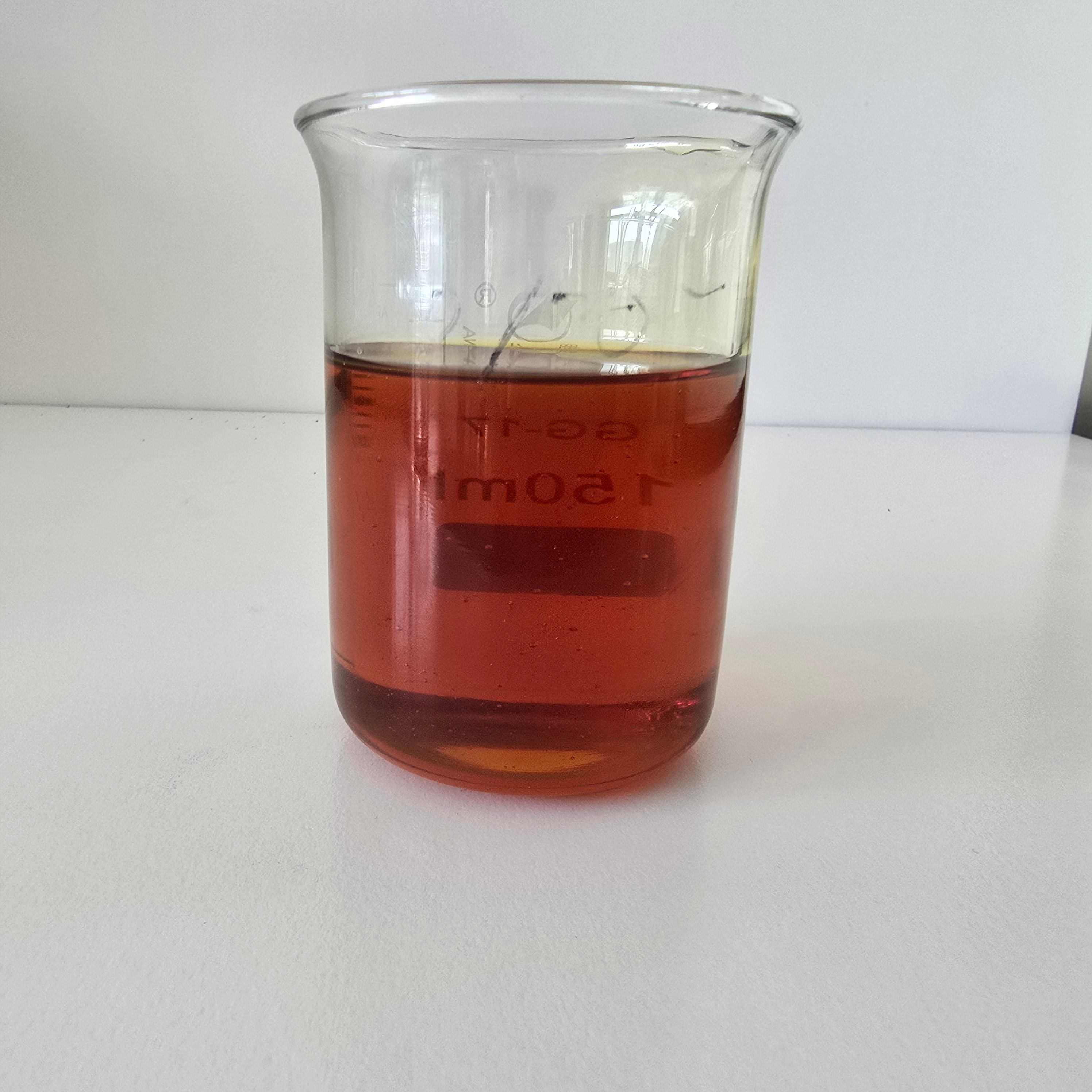
Post-treatment with boric acid yields borated polyisobutylene succinimides. This thermal process caps highly reactive free primary amines. The boron-nitrogen complex passivates metallic surfaces and operates synergistically with ZDDP to accelerate anti-wear tribofilm deposition. Neutralizing these basic amines critically prevents the embrittlement and degradation of fluoroelastomer (Viton) engine seals.
Factory Direct & Custom Formulation: Polyisobutylene Succinimide Manufacturer
Consistent additive manufacturing guarantees batch-to-batch formulation stability. We supply unblended, high-purity polyisobutylene succinimide directly to industrial blending plants globally. Contact our engineering team to request TDS/MSDS documents and align procurement specifications.
|
Shipping Parameter |
Standard Specification |
|
Industrial Packaging |
200L Iron Drum / 1000L IBC Tote / 20MT ISO Tank |
|
Minimum Order Quantity (MOQ) |
1 Metric Ton |
|
Standard Lead Time |
10 - 14 Days |
Frequently Asked Questions (People Also Ask)
What is the function of polyisobutylene succinimide in engine oil?
It acts as a core ashless dispersant. The polar amine group adsorbs acidic oxides and soot, while the non-polar polyisobutylene long chain provides steric hindrance, preventing particle agglomeration and sedimentation.
How does PIB molecular weight affect dispersant performance?
Higher molecular weight (e.g., >2000) provides exceptional high-temperature soot solubilization but degrades low-temperature flexibility. Lower molecular weight excels at dispersing low-temperature moisture and polar sludge.
What is the difference between a detergent and a succinimide dispersant?
Detergents (metal-containing) neutralize acids and actively clean high-temperature carbon deposits from metal surfaces. Ashless dispersants suspend contaminants within the fluid bulk, preventing them from depositing.
Why add boron to succinimide dispersants?
Boronization consumes reactive free amines. This drastically reduces the degradation of fluoroelastomer (Viton) engine seals while providing supplementary extreme pressure (EP) protection.