'%3e%3cpath%20id='Vector'%20d='M0.775%206.60234L3.375%204.00234L0.775%201.40234'%20stroke='%23F2F2F2'%20stroke-linecap='round'%20stroke-linejoin='round'/%3e%3c/g%3e%3cdefs%3e%3cclipPath%20id='clip0_13602_6886'%3e%3crect%20width='4'%20height='6.4'%20fill='white'%20transform='matrix(-1%200%200%201%204.07812%200.800781)'/%3e%3c/clipPath%3e%3c/defs%3e%3c/svg%3e)
 10,344
Beverage Processing: Production Line Solutions
Modern beverage processing requires fully integrated and cost-effective solutions that convert raw materials into uniform and high-quality beverage products in large quantities. A construction of custom beverage production lines optimizes quality, efficiency, and sustainability through the alignment of process equipment, packaging, and automation. Innovation and expertise drive every production process step, from blending and filling to pasteurization and packing. An optimal and custom solution ensures aseptic integrity, dependable performance, and smooth transitions in beverage lines and formats for bottled water, juice, soft drinks, and carbonated drinks.For more in-depth information you should view from Beverage Processing Line - Victorystar
Overview of The Beverage Production Line
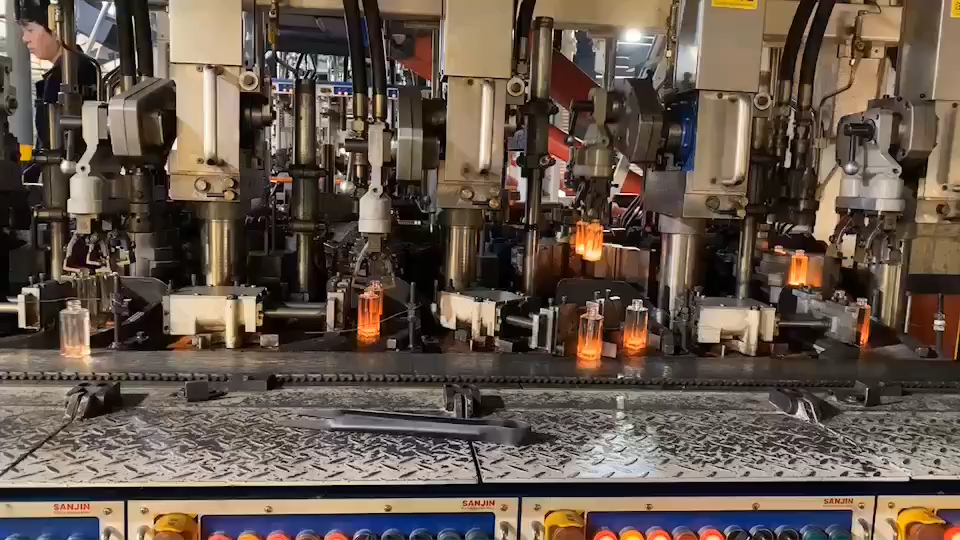
Modern beverage production lines incorporate particular processing phases and proven equipment to ensure safety and integrity of the product for every stage of production. Beverage lines typically include process equipment for dosing, blend control, and post-blending steps like carbonation or brewing, followed by pasteurization and filling into bottles or cans. Packaging and automation bring together labeling, packing, and palletizing to streamline the process. Quality control monitoring integration with automated processes provides the flexibility of batch and continuous modes. All this results in innovation while preserving optimal throughput and traceability to ensure the solution is sustainable and cost-effective.
Processing Beverages
The first step in beverage processing is the handling of all the needed raw materials. This is then followed step by step of blending, filtration, and the use of thermal or aseptic treatment according to the specifics of the drink. For those beverages that are carbonated, the amount of carbonation is kept in balance to meet the target CO₂ levels. Juice beverages are perhaps the exception here, as these may require gentle pasteurization. The steps of brewing and the processing of the brewery include the addition of fermentation and clarification. The hygienic filling and the packaging are the last steps in the production process. Layered automation oversee all of the critical control points in the production line of beverages, and this is done to ensure that there is consistent quality, and reduced waste along with the sustainable use of utilities. View Beverage Processing Line - Victorystar for More Details
The Important Parts of a Production Line for Beverages
The first thing to mention would be that the production line of beverages consist of oxidation, mixing, carbonation, and pasteurization process machinery, filling equipment that is either can or bottle type, and packaging hardware for the prevention of leaks and the labeling, the carton packing, and the palletization. One of the canning modules is the beverage canning modules and this one can integrate with the first canning line that is upstream of the process. Sensitive beverages are protected by the aseptic choices, whereas the batch skids satisfy the trial and particular processing requirements. The use of automation in the sensors, the CIP, and the data analytics, is for the purpose of performance improvement. Derivative engineered concepts choose the drink production goals and sustainable goals from a given production equipment capacity and align it with the target parameters.
|
Category |
Examples/Functions |
|
Process & Filling |
Mixing, deaeration, carbonation, pasteurization; filling for bottles and cans; canning line integrates with upstream units |
|
Packaging & Options |
Labeling, packing, palletizing; aseptic options for sensitive drinks; batch skids for trials and specific processing |
|
Automation & Alignment |
Sensors, CIP, data analytics for performance; solutions matched to production targets and sustainability objectives |
Types of Drinks Processed
Beverage lines support a wide spectrum: bottled water with minimal treatment; juice with controlled pasteurization; soft drink portfolios including carbonated beverage and low-calorie variants; brewery products through brewing, conditioning, and filtration; and functional drink formats. Carbonated drink production leverages precise carbonation and filling control, while aseptic lines handle dairy-alternative or sensitive blends. The production line can flex between bottle and can on the same equipment, enabling innovative packaging and cost-effective changeovers. Such versatility ensures optimal outcomes across diverse drink production categories.
Solutions for Beverage Processing
When considering beverage processing solutions, it is vital that precision, throughput, and overall system hygiene, and throughput be balanced. The most effective production lines, from a beverage processing perspective, include all the following components: processing equipment for blending, filtration, and deaeration, along with a carbonator and pasteurizer, complemented with efficient filling and packaging systems. Effective beverage producers optimize packaging system throughput with balanced machinery capacity and automation to sustainable, cost effective, and profit-maximized production goals. With integrated designs, process lines traceable to bottled water, juice, and soft drinks are linked with quality control data systems. Aseptic design, cleaning, and process expertise ensure robust solutions to consistently meet changing market demands.
Customized Solutions for Individual Beverages
Customized configurations for actionable solutions meet individual beverage profiles, ingredient specifications, and shelf-life goals. Solutions for bottled water emphasize minimal processing and efficient filling, while juice requires gentle pasteurization with hygienic packaging to protect flavor. The range of carbonated drinks demands precise control of carbonation, temperature, and filling valves to maintain CO₂. Flexible packaging options for brewery applications include integrated brewing, fermentation, clarification, and cold stabilization in either bottle or beverage canning formats. Specialized process equipment and validated cleaning provide the necessary safety for functional or aseptic drinks. Without compromising sustainability, new designs allow integrated batch trials, scalable production, and seamless operational changeovers.
Automation in Beverage Production
Complete automation streamlines beverage production by integrating processing control with production control, from reception of raw materials to filling and packaging. With coupled control systems, analytics, and real-time recipes, businesses can optimize production and reduce non-inventoried losses while maintaining line harmonization and product variety. Automation provides the capacity to easily transfer production lines between batch and continuous processes and maintain production traceability. Predictive maintenance increases machinery uptime, while closed-loop control systems stabilize and control carbonation, blending, and pasteurization. With standardized systems, operators can monitor and control their entire line, providing a sustainable and innovative solution at a lower cost while improving compliance to quality standards.
The combination of Automation and Machinery
The combination of Automation and Machinery is one of the key elements of the contemporary production line of beverages. At the production line, process systems (e.g. fillers and canners) are connected to packaging systems (e.g. can/bottle packers) and integrated to streamline production and minimize manual work. For example, fully integrated systems are able to synchronize flow rates, temperatures and carbonation levels with downstream labelers and packers to avoid downstream bottlenecks. In addition, integrating systems with quality monitoring and analytics, aseptic control, and pasteurization records, improves compliance. In addition, modular systems which can be easily and rapidly configured for new drink formats, as well as, systems which monitor and control water and energy usage are considered to be sustainable. All of these features are evidence of the quality of the integrated solutions.
Sustainability in Beverage Production
The sustainability of beverage processing begins with the design of the production line focusing on the resource-efficient safeguarding of the beverage's safety and flavor. From raw material acquisition to production line packaging, the use of automation, energy recovery, and water reuse systems are utilized. The emission and resource containment systems are customized to address the specific resource consumption and emissions of pasteurization, carbonation, and filling. Operational innovation and the training of production personnel to increase their knowledge and capabilities, provide cost and resource containment, and optimal production of beverages with measurable sustainability.
Eco-friendly packaging integrates lightweight, safety retaining, bottle designs, and mono-materials with recycled content and improved safety. Innovative packaging systems have merged high-efficiency removable closures, and low-ink labeled molding to minimize design safety and packaging. Process line data and waste design safety confirm the minimal use of cyan, recycled content aluminum, and strategically integrated lines. Tailored refillable bottles and returnable crates are enhanced automation, sustaining, throughput, hygienic handling, and the integrated packaging of juice, soft drinks, and bottled water.
Innovations in Plant-based Beverage Manufacturing
Innovations in plant-based beverages involve the design of specific blends with the careful use of aseptic processing and filtration, tailored to the particular proteins and fibers that challenge beverage lines. Encapsulation and filtration followed by enzymatic treatment, homogenization, and gentle pasteurization create an emulsion with retained flavor and stable z-emulsions. Modular processing equipment customized at batch/scale up trim to covenant continuous during demand spikes. Vitamin and mineral dosing is automated for consistent nutrition in both bottle and beverage can formats. Sustainability is enhanced with upcycled materials, water and energy efficient systems, and cost effective innovation that does not compromise quality and safety.
Innovations in Filtration and Water Management
Effective filtration and water management in beverage processing reduces utilities while protecting product quality. In non-alcoholic beverages, multistage filtration enhances aseptic processing, carbonation stability, and maximizes protection of the product from the downstream equipment. Maintained hygiene and closed-loop CIP, condensate reclamation, and membrane filtration recover systems result in reduced freshwater needs. Automated systems for turbidity break, conductivity, and flow ensure an optimum process line for either batch or continuous operations. Targeted polishing of filtration in breweries and juice industries enhances the clarification. These technologies minimize wastewater in filling and packing and integrate with the rest of the packaging line. Overall, these are innovative real-time solutions for the modern production of beverages.
|
Area |
Key Actions |
|
Filtration |
Multistage filtration to protect equipment, stabilize carbonation, and support aseptic integrity |
|
Water Management |
Closed-loop CIP, condensate recovery, and membrane concentration to reduce freshwater use |
|
Automation |
Monitoring conductivity, turbidity, and flow to balance batch and continuous operations |
|
Applications & Packaging |
Targeted polishing for brewery and juice; integration with packaging to cut wastewater |
Soft Drink Production Techniques
Control of blend consistency, carbonate retention, and filling hygiene allows soft drink manufacturers to produce stable drinks of high quality. Modern beverage production lines contain automated syrup preparation, along with the controlled-temperature deaeration and carbonation of set volumes of carbon dioxide (CO₂). Automation of the conveyor system is synchronized with the filling system and lid capping, thereby maintaining throughput and minimizing product losses in the container (bottle or can). Depending on the formulated product and the desired shelf life, either pasteurization or sterile filtration is performed. Flexible configurations address the needs of batch trials and rapid product formulation changes, including new flavor innovations, low-calorie offerings, and functionally fortified products, all while maintaining sustainable and cost-effective practices.
Batch and Continuous Production Methods
Batch methods are best for certain process activities, such as pilot blends, seasonal flavor launches, and the layering of complex syrup additions. While they may increase changeover time, they provide the greatest agility for innovation and problem-solving. Continuous production, on the other hand, provides the greatest throughput and consistency by stabilizing the flow in addition to temperature and carbonation on the process line. Automation integrates both methods by providing recipe management and traceability from the initial raw materials to the final packaged product. Many producers opt for hybrid solutions including batch syrup zones that feed into continuous carbonated mixers synchronized for filling. This configuration provides the best flexibility and efficiency and is the most cost-effective solution for a wide range of soft drink products.
**Challenges in the Production of Carbonated Beverages**
The manufacturing of carbonated beverages requires the careful monitoring of temperature, pressure, and levels of dissolved oxygen. This monitoring must be done to preserve the levels of carbonation while maintaining the desired sensory attributes. Production of carbonated drinks includes the blending and mixing of ingredients with the addition of a carbon dioxide (CO₂) in order to prevent the formation of unwanted foam. Designed equipment such as a turbulent mixer to the filling machine, counter pressure filling for bottles and cans, and carbonator with a pressure relief (PR) valve are used to maintain and control the levels of gas. The level of automation on the line functions to maintain and control the pressure of CO₂ to the set point during changes to the materials, line speed, and a variation in gas pressure. In order to maintain the desired flavor, several strategies regarding pasteurization are employed to avoid excessive process time. The processes stated above are integrated to bring about a number of favorable results including a reduction in the quantity of drinks produced and an increase in the level of consistency in beverages produced in a line.
**Aseptic Processing for Extended Shelf Life**
The process in which the products and packaging paths are sterilized individually and then the filling is done in a controlled environment is referred to as aseptic processing. In the case of formulations containing particulates which are sensitive to heat, validated heat treatment in conjunction with sterile filtration is utilized to ensure safety and preserve the flavor of the ingredients. The production of aseptic beverages requires the integration of several pieces of process equipment. These include an ultra-high temperature (UHT) or flash pasteurization (FP) combined with the sterilization of media and a set of sterile hygienic valves. The automation of such aseptic systems allows for the monitoring of critical process parameters to be performed while maintaining the sterile condition, and allows for rapid changes to be performed without compromising the sterile condition. These systems, which are constructed for both bottles and cans, minimize the need for preservatives and cold storage to increase supply chain sustainability to enhance cost optimization with an excellent solution for the global distribution of beverages.
Insights into Beverage Canning
Beverage canning has evolved into a sophisticated branch of beverage processing that tightly couples process equipment with packaging systems to protect flavor, carbonation, and shelf life. A modern canning line will integrate blending, deaeration, and pasteurization upstream to stabilize the product before filling. Automation synchronizes the production process so that flow, temperature, and pressure remain consistent as drink production scales. Whether handling juice, soft drink, or carbonated drinks, the beverage production line must optimize seam integrity, oxygen pickup, and throughput. With strong expertise, producers tailor cost-effective, sustainable solutions that align with innovative formats and market agility.
Benefits of Canning for Beverage Preservation
Canning offers an optimal solution for preservation by delivering light and oxygen barriers that safeguard sensitive drink attributes. Aluminum beverage canning supports rapid heat transfer during pasteurization, enabling specific processing profiles for juice and carbonated beverage without flavor drift. Hermetic seams minimize dissolved oxygen, protecting carbonation and color in soft drink portfolios. The format aligns with sustainability goals through high recyclability and lightweight packing. A canning line also enables hygienic filling at high speeds, reducing loss of raw materials and energy per unit. By integrating process line controls, producers maintain consistent quality across batch and continuous runs.
Equipment Used in Beverage Canning
Core equipment in a canning line includes depalletizers, rinsers, counter-pressure fillers, seaming machines, pasteurizers, and integrated packaging systems for packing. Upstream process equipment—mixers for blend control, deaerators, carbonators, and filtration—prepare the beverage to tight specifications before filling. Automation coordinates machine speeds, CO₂ dosing, and temperature control to optimize foam behavior and seam strength. Inline sensors verify seam integrity, fill height, and oxygen levels, while CIP skids maintain hygiene across the production line. Tailor modules allow switchovers between juice, bottled water alternatives, and carbonated drink production, preserving efficiency and ensuring a cost-effective, sustainable operation.
|
Category |
Key Elements |
|
Core Canning Equipment |
Depalletizers, rinsers, counter-pressure fillers, seaming machines, pasteurizers, integrated packaging systems |
|
Upstream Process Equipment |
Mixers for blend control, deaerators, carbonators, filtration |
|
Automation & Control |
Machine speed coordination, CO₂ dosing, temperature control |
|
Quality & Hygiene |
Inline sensors (seam integrity, fill height, oxygen), CIP skids |
|
Flexibility & Sustainability |
Tailor modules for juice, bottled water alternatives, and carbonated drinks; cost-effective, sustainable operation |
Trends in Beverage Can Design
Innovative can design trends emphasize lightweight gauges, resealable ends, and specialty linings compatible with acidified juice and craft soft drink formulations. Sleek and slim profiles differentiate brands while supporting sustainability through material reduction. For carbonated drinks, internal coatings are engineered to preserve carbonation and reduce flavor scalping, and geometry is optimized for seaming at high speed. Digital printing enables short-run batch campaigns that integrate seamlessly with automation on the process line. Multi-pack options and easy-open features enhance packaging efficiency. These advances, coupled with robust equipment, deliver a flexible, optimal solution for modern beverage lines.
Future Trends in Beverage Processing
There will be different kinds of automation, modular process hardware, and sustainable practices integrated throughout each step of the production process. Beverage production lines will be able to use predictive controls to optimize carbonation, pasteurization, and filling for more categories of drinks. Flexible manufacturing will, after only a brief downtime, be able to switch from bottling to canning, allowing for rapid innovation and a variety of recipes. Circular resource strategies will efficiently use reclaimed heat and water, and smart sensors will be able to decrease material waste. It will be possible to provide a more affordable and higher quality product that can be scaled from small test batches to large quantities for global distribution by combining the knowledge from traditional breweries and modern aseptic techniques.
Innovations in Beverage Manufacturing
Innovations in beverage manufacturing include things such as advanced inline analyzers for blend accuracy, AI-driven setpoint optimization, and process line digital twins. New pasteurization methods like pulsed heat, protect juice aromas while ensuring PSA. High Efficiency Carbonators, Stabilized Microbubbles, Carbonated Mouthfeel, Low Oxygen Fillers enhance the shelf. Rapid reconfiguration of modular skids supports batch trials and continuous scale-up. Edge computing connects machinery health to production equipment KPIs, predicting changes in filling valves and seamers. Sustainable, cost-effective performance across beverage lines and formats.Consumers are constantly changing, shaping the way they interact with various products. In this case, the best way to shape the way beverages are processed is to incorporate flexibility in the systems to produce more \"clean label beverages\" while keeping resource efficient packaging. Freshness, Transparency, and Sustainability are some top consumer qualities that are desired in products in the market, Keeping in view consumer preferences when packaging beverages, it's best to use portioned controlled packaging options that offer to-go formats, such as slim bottles and cans. Functional juice blends and soft drinks that incorporate little to no sugar are growing in interest, and in some cases, demand. Tree Fizzlers fresh sparkling drinks are a perfect example, and demand is growing. These products require ventilation, and in this case, a more effective and less damaging use of natural resources is preferred. Using more lightweight materials, particularly those with recycled content, supports a healthy environment. Automation in packaging systems supports a reasonable priced optimal solution with quality, speed, and responsible sourcing. These attributes allows systems to be integrated to provide the best packaging solution. Automated systems also provide packaging traceability from raw materials to the final packaging.
The Importance of Expertise in Process Line Optimization
Integration of process equipment, automation, and packaging into a beverage production line is a continuous target attainment challenge, underscoring the need for expertise. Professionals help with the production process and the optimization of carbonation curves, thermal loads for pasteurization, and the hygienic design of aseptic operations. Engineers design the filling and beverage canning parameters to suit the model for flow, residence time, and gas dissolution, so that losses and quality can be maximized. Innovative, lower-cost upgrades made through the cross-functional knowledge of brewery practices to juice stabilization are possible. In the case of continuous improvement, frameworks transform sensor data to elevate actions in sustainability and reliability, while ensuring that each solution is adaptable to the production of various types of drinks.