'%3e%3cpath%20id='Vector'%20d='M0.775%206.60234L3.375%204.00234L0.775%201.40234'%20stroke='%23F2F2F2'%20stroke-linecap='round'%20stroke-linejoin='round'/%3e%3c/g%3e%3cdefs%3e%3cclipPath%20id='clip0_13602_6886'%3e%3crect%20width='4'%20height='6.4'%20fill='white'%20transform='matrix(-1%200%200%201%204.07812%200.800781)'/%3e%3c/clipPath%3e%3c/defs%3e%3c/svg%3e)
 10,566
Xiebutou is a legitimate China-focused footwear sourcing and distribution platform, but it is not a single shoe brand with one consistent quality standard. It can be useful for resellers seeking broad selection, low-quantity domestic fulfillment and access to Chinese footwear clusters. For an overseas buyer, however, the Chinese-language workflow, seller-to-seller quality variation and China-centered returns make a sample order, local receiving address and pre-export inspection essential.
This review separates platform claims from independently visible evidence. As of September 2026, the official China App Store listing shows a 3.2/5 rating from only 13 ratings—a sample too small to support a sweeping verdict. The practical conclusion is therefore conditional: Xiebutou may be worth testing for fashion and general-purpose footwear, but it should not be treated as proof of durability, performance, authenticity or export compliance.
Contents
- Xiebutou review: the short verdict
- What is Xiebutou?
- Main products and platform features
- What real user reviews actually show
- Are Xiebutou shoes good quality?
- Advantages and disadvantages
- Who should use Xiebutou?
- How to buy from Xiebutou
- Returns and after-sales service
- Quality-control plan for wholesale shoes
- Shipping and importing from China
- How to calculate the real cost
- Risks and buying precautions
- Frequently asked questions
- Conclusion
- Sources consulted
1. Xiebutou shoes review: the short verdict
Xiebutou is best understood as a sourcing channel, not a quality guarantee. Its value is access to many styles and suppliers; its weakness is that construction, sizing, packaging and seller service can vary by listing. It is a reasonable candidate for controlled testing, not a platform on which an overseas buyer should place an uninspected large order.
| Decision factor | Assessment | What the buyer should do |
|---|---|---|
| Platform identity | Chinese footwear supply-chain and distribution marketplace | Evaluate each seller and SKU separately |
| Selection | Broad: men’s, women’s, children’s, sports and fashion shoes | Shortlist by specification, not photos alone |
| Price | Domestic wholesale positioning; current price depends on SKU | Request a live quote and calculate landed cost |
| MOQ | Some domestic drop-shipping from one pair; export/carton MOQ can differ | Confirm minimum per color, size and style |
| Quality | Variable across suppliers and price levels | Approve samples and inspect before export |
| After-sales | China-centered return workflow and eligibility rules | Receive and raise claims while goods remain in China |
| International usability | Operationally harder than export-facing platforms | Use Chinese-language support, a China address and freight partner |
2. What is Xiebutou?
Xiebutou, written 鞋捕头 in Chinese, is presented in its official iOS listing as a one-stop footwear sourcing and distribution platform. The named developer is Quanzhou Xiebutou Information Technology Co., Ltd., and the listing identifies www.xiebutou.com as the official website.
The platform says it aggregates supply from Chinese footwear clusters including Quanzhou, Jinjiang and Chengdu and serves e-commerce shops, physical retailers, livestream sellers and individual distributors. That positioning matters: buyers are not necessarily purchasing “Xiebutou-made shoes.” They are purchasing listings supplied through a multi-supplier network.
Search results contain several look-alike domains using the Xiebutou name. A domain with extra letters or words should not be assumed to be official. Start from the developer-linked store listing or the official domain, and verify the payment recipient before sending funds.
3. Main products and platform features
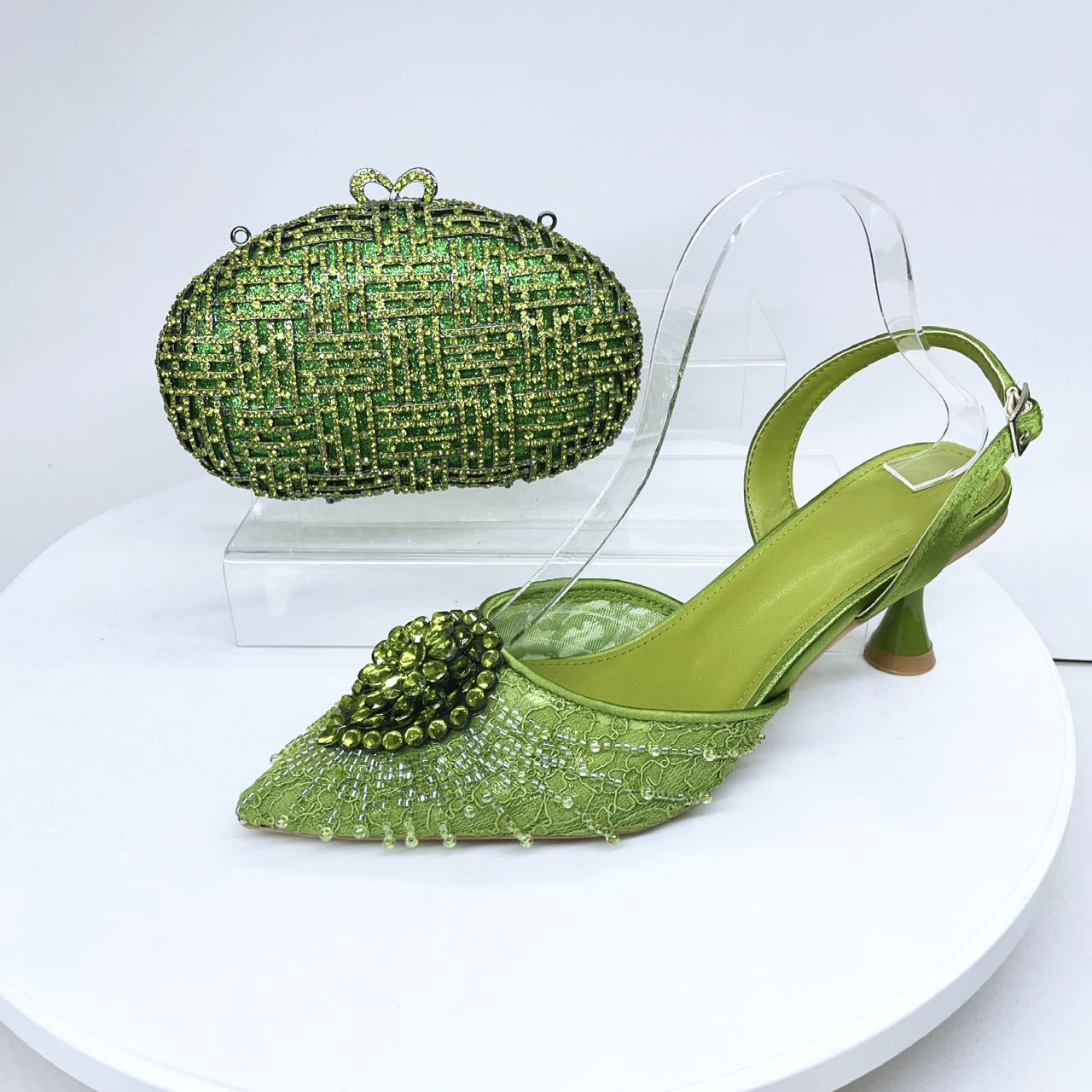
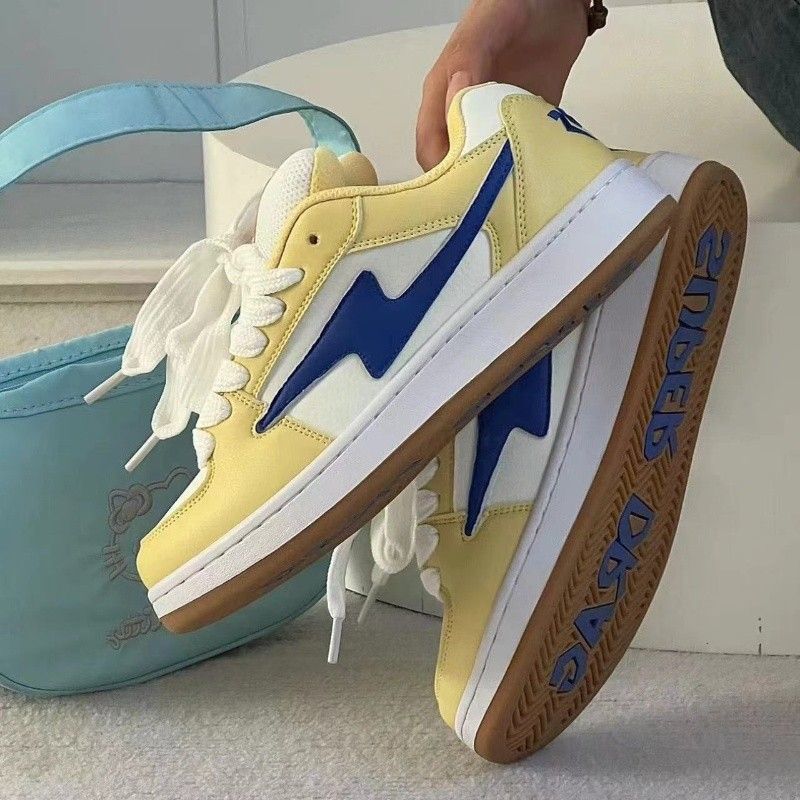
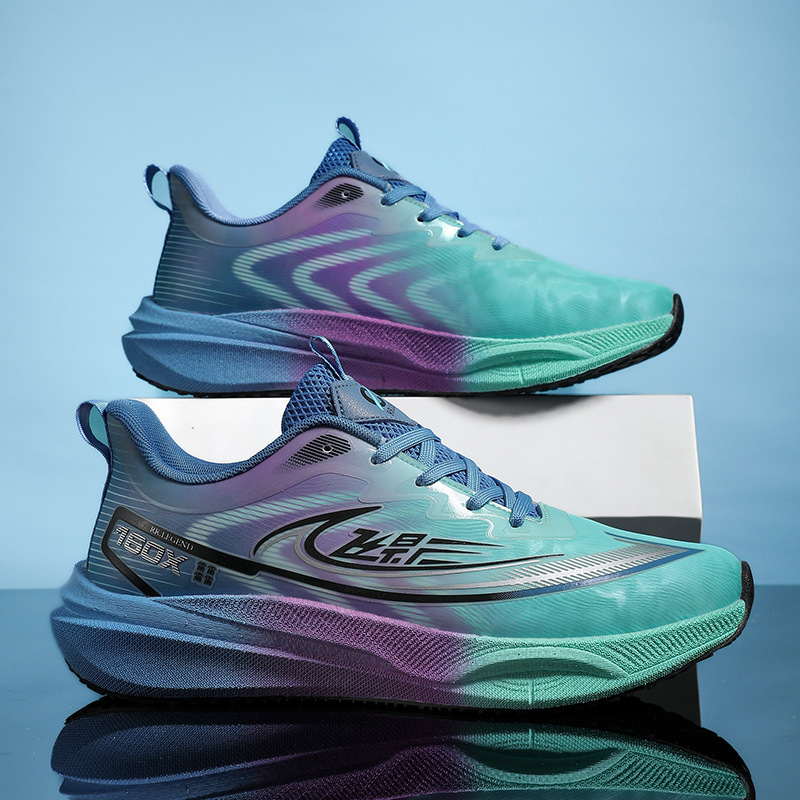
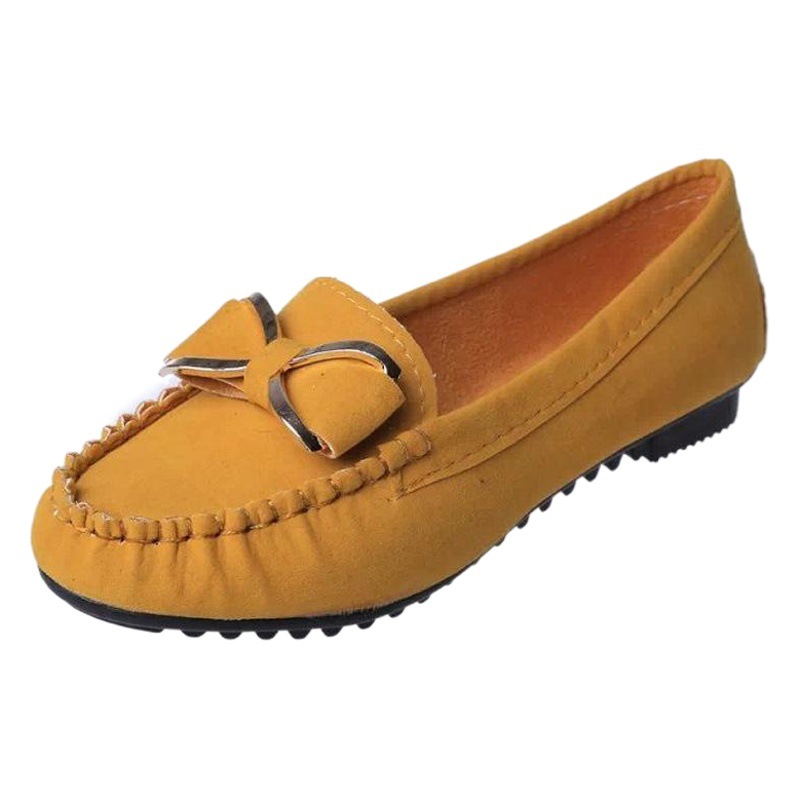
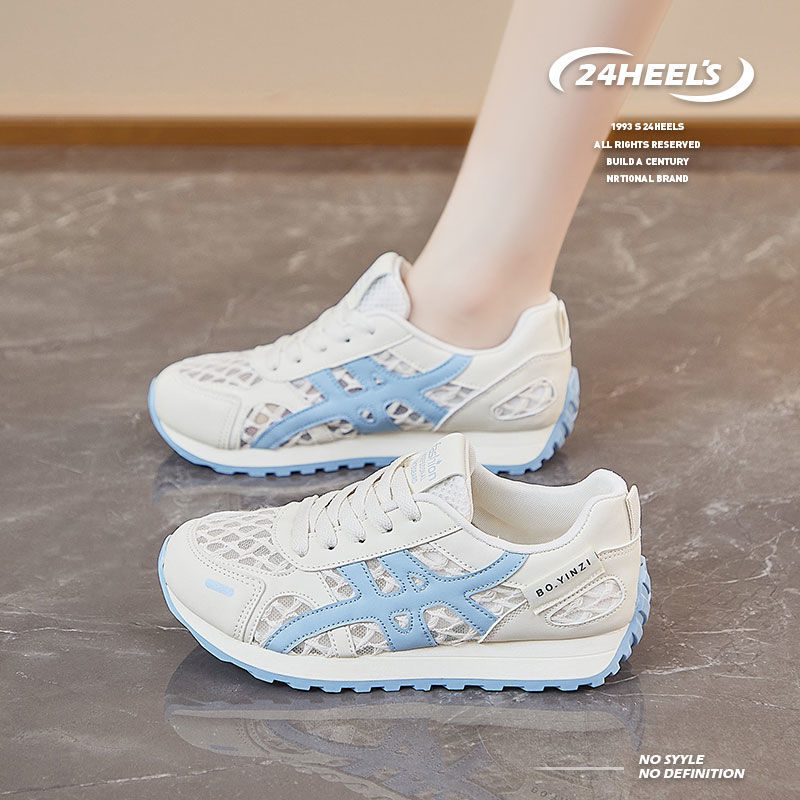
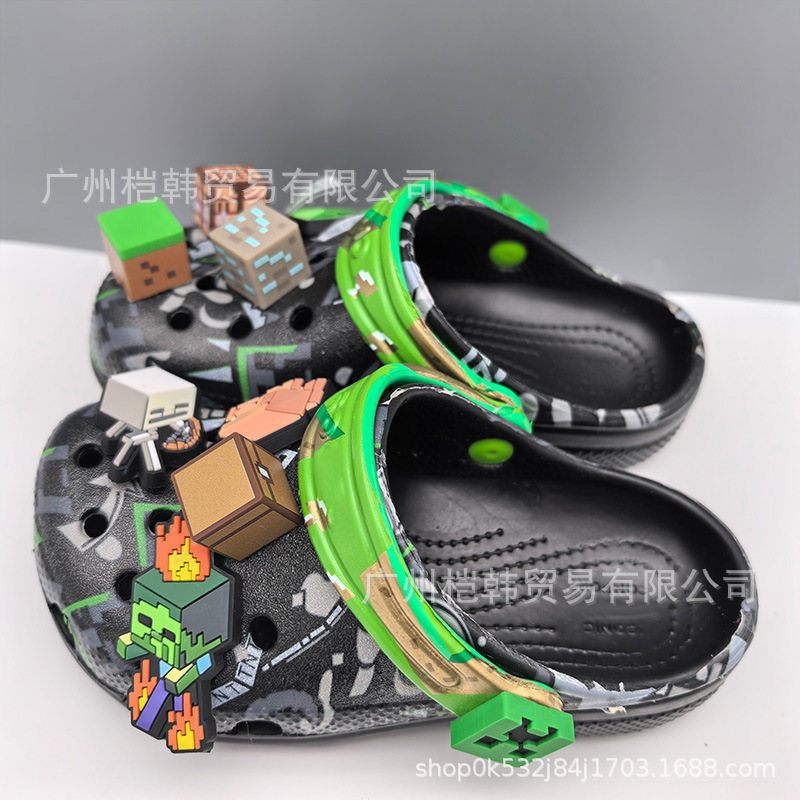
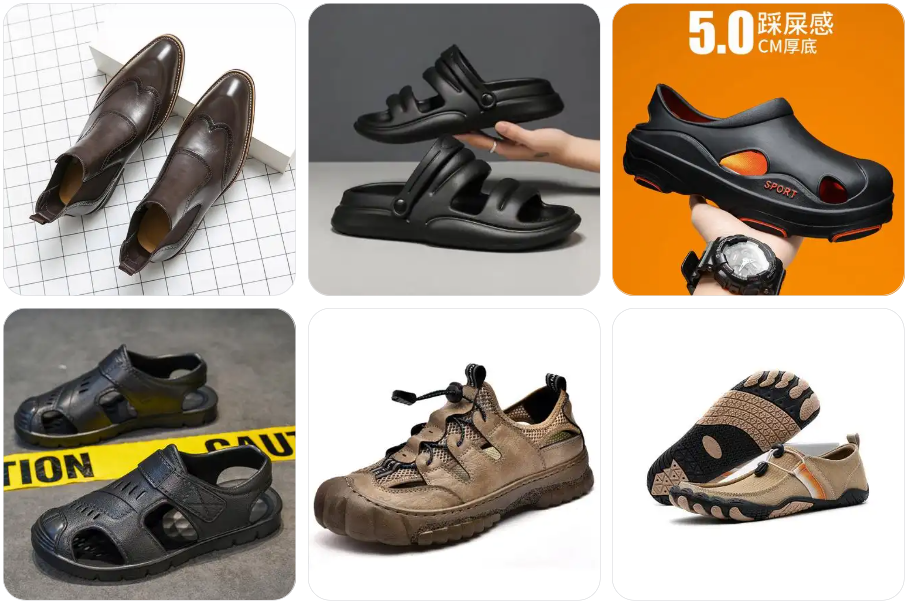
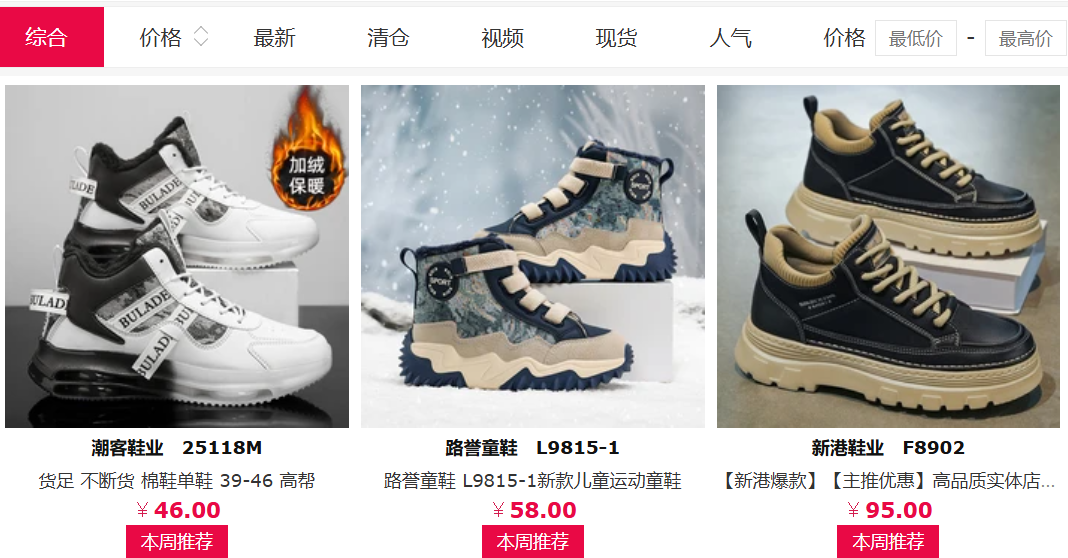
The catalog is footwear-focused rather than general merchandise. The official app description names men’s shoes, women’s shoes, children’s shoes, sports shoes and trend-led footwear. In practice, buyers may encounter sneakers, casual shoes, loafers, sandals, slippers, boots, flats, heels and school footwear, depending on current listings.
- Men’s footwear: casual sneakers, trainers, business-casual styles, sandals and seasonal shoes.
- Women’s footwear: fashion sneakers, flats, sandals, heels, boots and trend-driven styles.
- Children’s footwear: sneakers, school shoes, sandals and seasonal designs.
- Distribution tools: image search, product-data publishing, order synchronization and one-piece domestic drop-shipping are promoted in the official app listing.
- Value-added handling: the listing also promotes manual checks and packaging options. Buyers must confirm what a particular fee and inspection actually cover before relying on it.
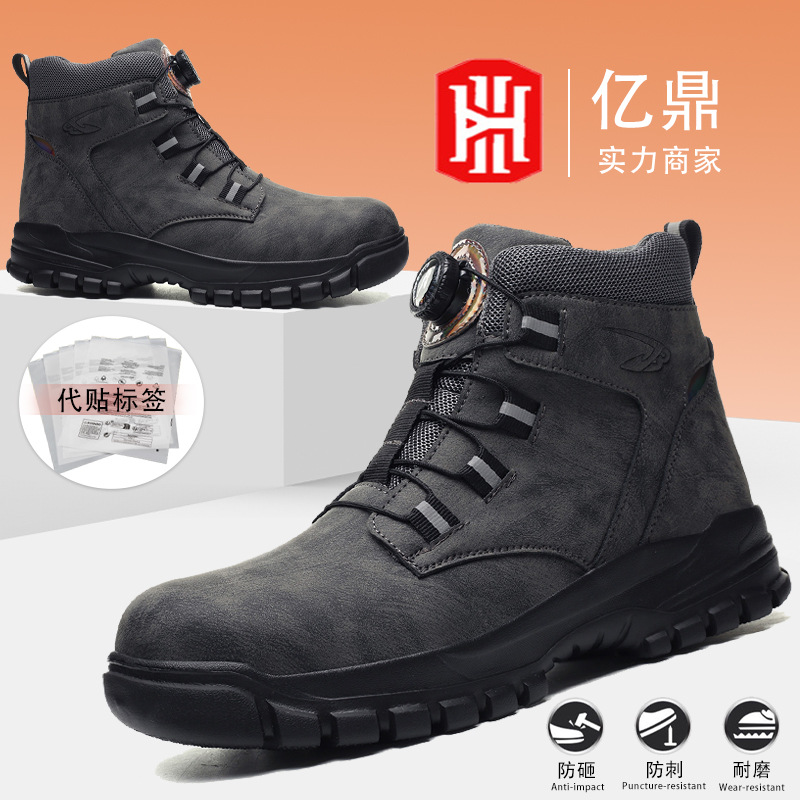
Catalog breadth does not establish performance. A fashion sneaker should not be marketed as a running shoe, safety shoe, orthopedic product or waterproof boot without appropriate construction evidence and testing.
4. What real Xiebutou user reviews actually show
Publicly verifiable feedback is limited, so confidence in any aggregate conclusion should be low. The official Chinese App Store page currently displays a 3.2/5 rating based on 13 ratings. One visible positive review praises the range, low prices, drop-shipping and after-sales support for online sellers. Thirteen ratings are not enough to represent thousands of sellers, products or transactions.
Several English “reviews” found in search results repeat nearly identical claims that Xiebutou is a budget consumer shoe brand. That framing conflicts with the official platform description. One Reddit post links directly to an affiliate-style review article and repeats its talking points, so it should not be counted as strong independent evidence. Other third-party pages make broad claims without order numbers, seller IDs, dated photos or test methods.
A responsible review must therefore say what is unknown. There is no robust, independent, SKU-level dataset in the accessible English web results proving average durability, fit accuracy or international return outcomes. The best evidence will come from the exact listing: recent buyer photos, repeat purchase history, seller response, a physical sample and an inspection report.
How to read product feedback critically
- Prefer reviews attached to the exact SKU and size/color variant.
- Look for dated photos of soles, stitching, insoles, labels and packaging—not only unboxing impressions.
- Separate platform-service feedback from product-quality feedback.
- Discount reviews that do not identify the seller, product or period of use.
- Check whether negative feedback clusters around sizing, odor, glue, color difference, sole separation or slow refunds.
5. Are Xiebutou shoes good quality?
There is no single answer because Xiebutou lists footwear from multiple suppliers. Quality depends on upper material, lining, insole, outsole compound, bonding or stitching process, component consistency, workmanship and the seller’s quality system.
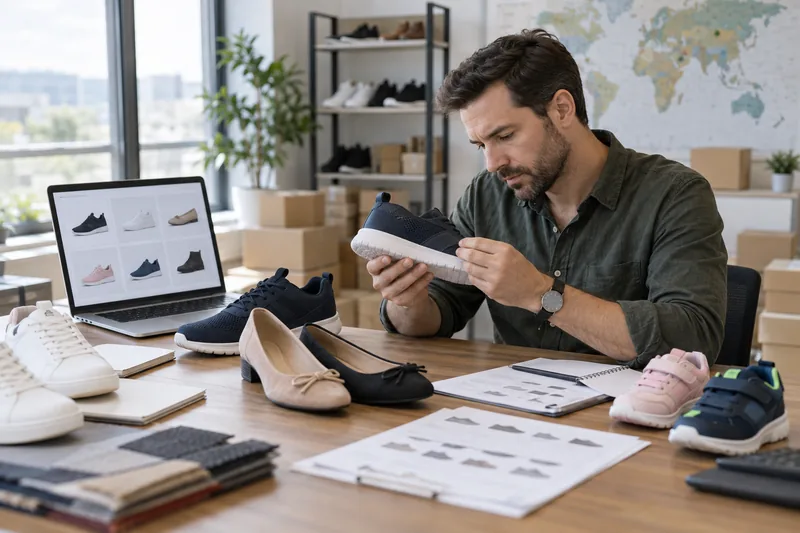
A low-cost fashion shoe can be acceptable for occasional use yet inappropriate for daily walking. A sample can look good but fail after flexing, heat or moisture exposure. Ask for measurable requirements: upper composition, sole material and hardness, shoe weight, inner length by size, abrasion expectations, bond strength, colorfastness and restricted-substance compliance where applicable.
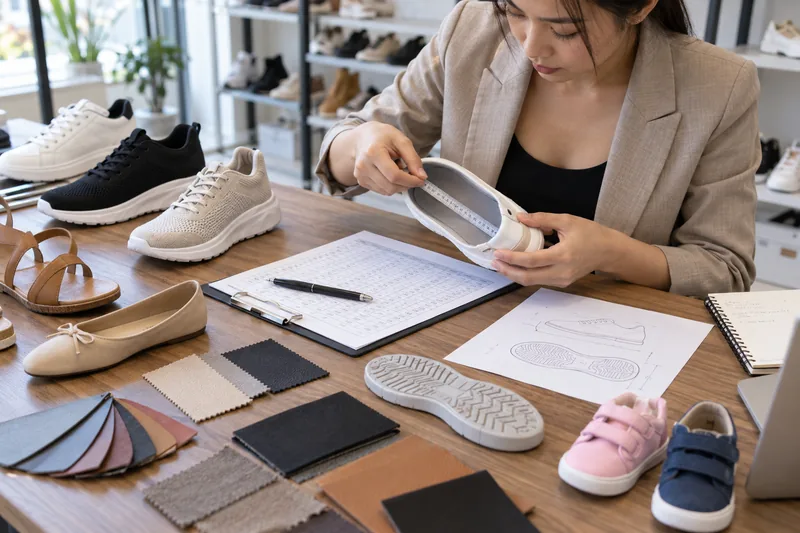
For sports, children’s, protective or regulated footwear, visual inspection alone is insufficient. Confirm the destination country’s labeling, chemical, safety and performance requirements with a competent laboratory or customs/compliance adviser before mass production.
6. Xiebutou advantages and disadvantages
| Advantages | Limit or trade-off |
|---|---|
| Specialized footwear catalog across several Chinese clusters | More choice also means greater supplier and quality variation |
| Domestic wholesale and one-piece distribution features | Domestic fulfillment does not equal international delivery |
| Useful for trend discovery and mixed style testing | Popular-looking products may create inventory or IP risk |
| Platform-promoted manual checking and after-sales functions | Scope, eligibility and compensation must be verified per order |
| Potentially competitive source price | Agent, local freight, inspection, export and duty can erase the saving |
7. Who should use Xiebutou?
Xiebutou best fits resellers who can operate inside China before exporting. This includes footwear boutiques, marketplace sellers, social-commerce sellers and sourcing teams that need frequent style refreshes and can consolidate several domestic purchases.
- Good fit: a buyer testing unbranded fashion styles, able to receive samples in China and inspect before shipping.
- Possible fit: a retailer with stable repeat SKUs and a local purchasing/warehouse partner.
- Poor fit: a consumer expecting an English retail experience, easy overseas returns or a uniform branded warranty.
- Poor fit: a buyer of technical running, medical, protective or children’s footwear without testing capability.
8. How to buy from Xiebutou step by step
- Access the official channel. Confirm the domain and app developer. Use browser translation only as a navigation aid; keep critical specifications bilingual.
- Create an account. Registration and payment methods can be designed for Chinese users. Do not assume every overseas phone number, card or address is supported.
- Build a technical shortlist. Record listing URL, seller, model, colors, full size run, inventory, source price and domestic freight.
- Ask before paying. Confirm whether stock is live, whether shoes come with boxes, whether sizes are mixed freely, and what constitutes a quality defect.
- Order samples or a micro-batch. Include the smallest and largest sizes because grading errors often appear at the ends of a size run.
- Receive in China. Photograph the parcel opening, count pairs, scan model/size labels and check the product while domestic return windows remain open.
- Approve a reference sample. Record materials, measurements, color, workmanship and packaging. Do not approve from edited listing photos.
- Place the commercial order. Freeze the SKU matrix and tolerance sheet in writing.
- Inspect and consolidate. Hold export until unacceptable defects are corrected or credited.
Buyers who cannot manage Chinese registration, local payment, receiving and consolidation may use Chilatshop’s China purchasing workflow where relevant. Its role should be confirmed for the specific order; using an agent does not remove the buyer’s responsibility to define quality and import compliance.
9. Returns and after-sales service
After-sales protection is most useful while the goods are still in China. The official app listing advertises seven-day worry-free after-sales, but the platform help page states important operational limits: exchanges may not be supported, a buyer may need to return and reorder, seller status and timing can affect acceptance, and for orders sent to a forwarding company the platform’s logistics responsibility may end at that handoff.
Before ordering, save the active return rule and ask four questions: When does the clock start? Who pays domestic return freight? Are shoe boxes and tags required? How are defects distinguished from size preference or transit damage? A seven-day domestic return promise should never be presented as a seven-day international return guarantee.
For a claim, retain the unboxing video, package label, seller chat, order page, quantity sheet and close-up evidence. Keep shoes unworn and packaging intact unless inspection requires otherwise. Calculate whether return freight exceeds the recoverable amount; for low-value units, replacement or credit on a future order may be more practical.
10. A practical quality-control plan for wholesale shoes
Shoe inspection must cover fit, pair matching, construction and packaging—not appearance alone. Define critical, major and minor defects before the order, then use a statistically appropriate sampling plan agreed with the supplier or inspector.
- Identity and quantity: SKU, color, size ratio, barcode, left/right pair and carton count.
- Dimensions: inner length, outsole length/width, heel height and weight against approved tolerances.
- Workmanship: open seams, skipped stitches, glue overflow, gaps, wrinkles, stains, sharp edges and uneven lasting.
- Pair consistency: shade, material grain, toe shape, logo-free design, sole height and symmetry.
- Function: flexing, zipper/strap operation, lace eyelets, insole adhesion and basic sole-bond screening.
- Packaging: correct size labels, mold prevention, tissue, deformation protection, carton strength and shipping marks.
- Compliance: fiber/material labeling, country-of-origin marking, restricted substances and category-specific tests required by the destination.
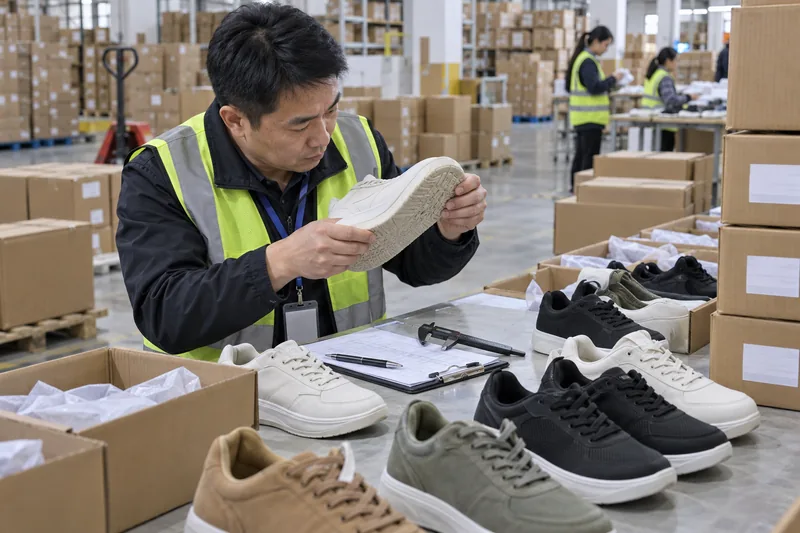
Do not treat a platform’s basic manual check as equivalent to a buyer-designed pre-shipment inspection. Ask for the checklist, sample size, defect limits, photos and remedy if the result fails.
11. Shipping and importing Xiebutou orders from China
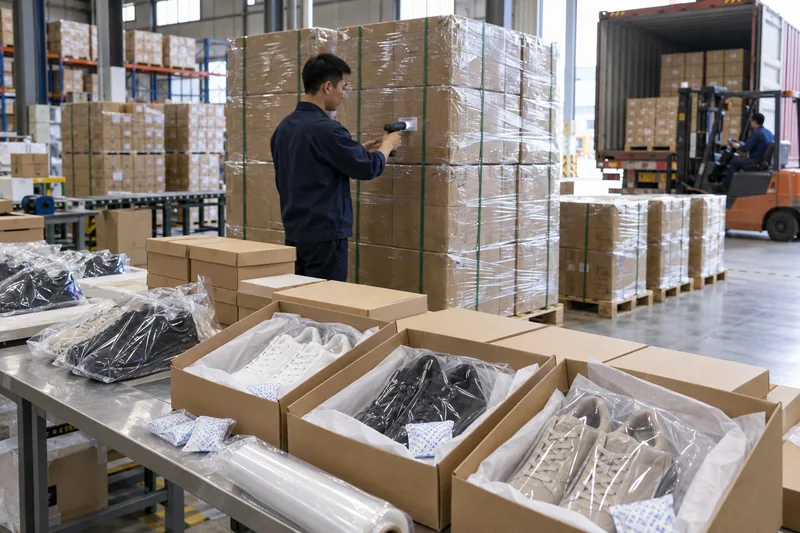
Assume the seller is supplying domestically unless international export capability is confirmed. A practical route is seller to China warehouse, receiving inspection, consolidation, export declaration, international freight, customs clearance and final delivery.
Courier or air freight may suit samples and small urgent batches. Sea freight can reduce cost for bulky commercial quantities, but shoe boxes create substantial chargeable volume. Request both packed weight and carton dimensions. Removing retail boxes can save volume but may reduce product protection and resale value.
Before purchase, ask a customs broker to confirm the tariff classification, duty, VAT/sales tax, labeling and any chemical or safety requirements. Branded or look-alike footwear creates seizure and intellectual-property exposure; supplier claims such as “original factory,” “same line” or “1:1” are not authorization.
12. How to calculate the real cost
Use landed cost per sellable pair: shoe price + Chinese freight + purchasing/payment fee + inspection + repacking + export handling + international freight + insurance + duty + tax + customs charges + final delivery + expected defect allowance, divided by conforming pairs.
A low listing price can become expensive if cartons are volumetric, size ratios do not match demand or defects cannot be returned. Model gross margin by size and SKU, not just average pair cost. Include markdowns for slow sizes and a reserve for customer returns.
13. Risks and buying precautions
- Do not confuse Xiebutou with similarly named domains or a single consumer shoe brand.
- Never infer quality from product photos, sales language or source cluster alone.
- Measure footbed/inner length; converting only from CN/EU/US labels can create costly fit errors.
- Confirm whether pricing includes boxes, domestic shipping, service fees and tax.
- Avoid counterfeit and unauthorized branded goods, even if the seller calls them overruns.
- Verify the payment beneficiary and investigate any last-minute account change.
- Inspect before international shipment; overseas returns can cost more than the goods.
- Use written specifications and keep all evidence tied to the order.
- Do not sell casual fashion footwear with medical, safety or athletic performance claims without proof.
14. Frequently asked questions
Is Xiebutou a real website?
The official Chinese App Store listing names www.xiebutou.com and identifies Quanzhou Xiebutou Information Technology Co., Ltd. as developer. That supports the platform’s existence, but buyers must still verify the exact seller, order and payment recipient.
Is Xiebutou a shoe brand?
It is more accurately described as a footwear supply-chain and distribution platform. Shoes can come from different suppliers, so a platform-level quality rating cannot replace SKU-level checks.
Can I buy one pair?
The official app promotes one-piece domestic drop-shipping, but not every listing, address or international route will qualify. Confirm MOQ per SKU and the seller’s delivery scope.
Does Xiebutou ship internationally?
Do not assume it does. Many overseas buyers need a China receiving warehouse or purchasing agent, followed by separate export shipping.
Are Xiebutou reviews trustworthy?
The official app rating is real platform data but has a very small sample. Treat anonymous blogs and repeated affiliate narratives cautiously. Product-specific evidence is more useful.
What should I inspect first?
Verify size/inner length, pair consistency, stitching, bonding, sole flex, odor, color, labels and packaging. For regulated or performance footwear, add laboratory testing.
15. Conclusion
Xiebutou can be a useful footwear sourcing platform for buyers who value variety and can manage China-side purchasing, inspection and consolidation. The evidence does not justify calling every listing high quality, nor does it prove the platform is unsuitable. Start with samples, translate requirements into measurements, resolve defects before export and scale only after a seller reproduces the approved standard.
16. Sources consulted